Home › Blog › How Many Steps a Day to Lose Weight?
Lifestyle & MovementHow Many Steps a Day to Lose Weight? A Realistic Guide
| Sweet spot | Most people benefit from roughly 7,000–10,000 steps a day, paired with sensible eating. Gains start well below 10,000. |
| The 10k myth | The 10,000-step target came from a 1960s ad campaign, not science — use it as a goal, not a pass/fail line. |
| What matters most | Moving up from your current baseline. Going from 3,000 to 7,000 steps daily is a bigger win than chasing a round number. |

Fitness trackers buzz, apps cheer, and everyone seems to agree that 10,000 steps is the number to hit. But if you are trying to slim down, you have probably asked the practical question: how many steps a day to lose weight? The reassuring truth is that the famous 10,000-step figure is more marketing than medicine, and you do not need to hit it to see real results. This guide explains where the number came from, how many steps actually help, why walking is one of the most underrated weight-loss tools, and how to add more steps to a busy day without carving out extra time.
Where the 10,000-step rule came from
The 10,000-step goal is not the result of a landmark study. It traces back to a Japanese pedometer sold in the 1960s called the manpo-kei, which literally means “10,000-step meter.” The round number was memorable and marketable, and it stuck. That does not make it useless — it is a fine aspirational target — but it was never a scientifically derived threshold, and treating anything below it as a failure discourages people who would benefit most from simply moving more. (Sports Med, 2022)
So how many steps a day to lose weight?
Research over the past decade paints a more encouraging picture. Health benefits — better heart health, lower body weight, improved mood — begin to appear at surprisingly modest counts and keep climbing as steps increase, with the biggest jump seen when very inactive people become moderately active. For weight loss specifically, a practical target for most adults sits somewhere between 7,000 and 10,000 steps a day, combined with a sensible eating pattern. (Lancet Public Health, 2022)
But the single most useful number is your own current baseline. If you average 3,000 steps, aiming for 6,000 to 7,000 is a genuine, achievable win that burns meaningfully more calories. If you already walk 8,000, nudging toward 10,000–12,000 adds a little more. The goal is progress from where you are, not a universal finish line.
- ✓ Under 5,000 steps: generally considered sedentary — the group with the most to gain from moving more.
- ✓ 5,000–7,499 steps: low-to-moderate activity typical of everyday life without dedicated exercise.
- ✓ 7,500–10,000 steps: a solid, active range where weight-management benefits are clear for most people.
- ✓ 10,000+ steps: highly active — excellent if it fits your life, but not a requirement for results.

Why walking works so well for weight loss
Walking rarely gets the credit that gym workouts do, but it has quiet advantages that make it especially good for sustainable weight loss: (J Am Coll Cardiol, 2023)
It is low-impact and easy to sustain
Walking is gentle on the joints, requires no equipment and can be done almost anywhere. That means you can do it most days without burning out or getting injured — and consistency is what actually moves the needle over months.
It burns calories without wrecking your appetite
Very intense exercise can leave some people ravenous afterwards. Walking burns a steady stream of calories while being far less likely to trigger a compensatory binge, which makes it easier to stay in a gentle calorie deficit.
It lowers stress and steadies appetite
A walk is one of the simplest ways to calm the nervous system and lower stress hormones. Since stress drives cravings and belly-fat storage, this matters — our guide on whether stress and cortisol cause weight gain explains that link in detail.
It supports a healthy metabolism
Everyday movement (sometimes called NEAT — non-exercise activity thermogenesis) is a big and often overlooked part of daily energy burn. Walking more is one of the easiest ways to raise it, which ties directly into our guide on how to speed up a slow metabolism for weight loss.
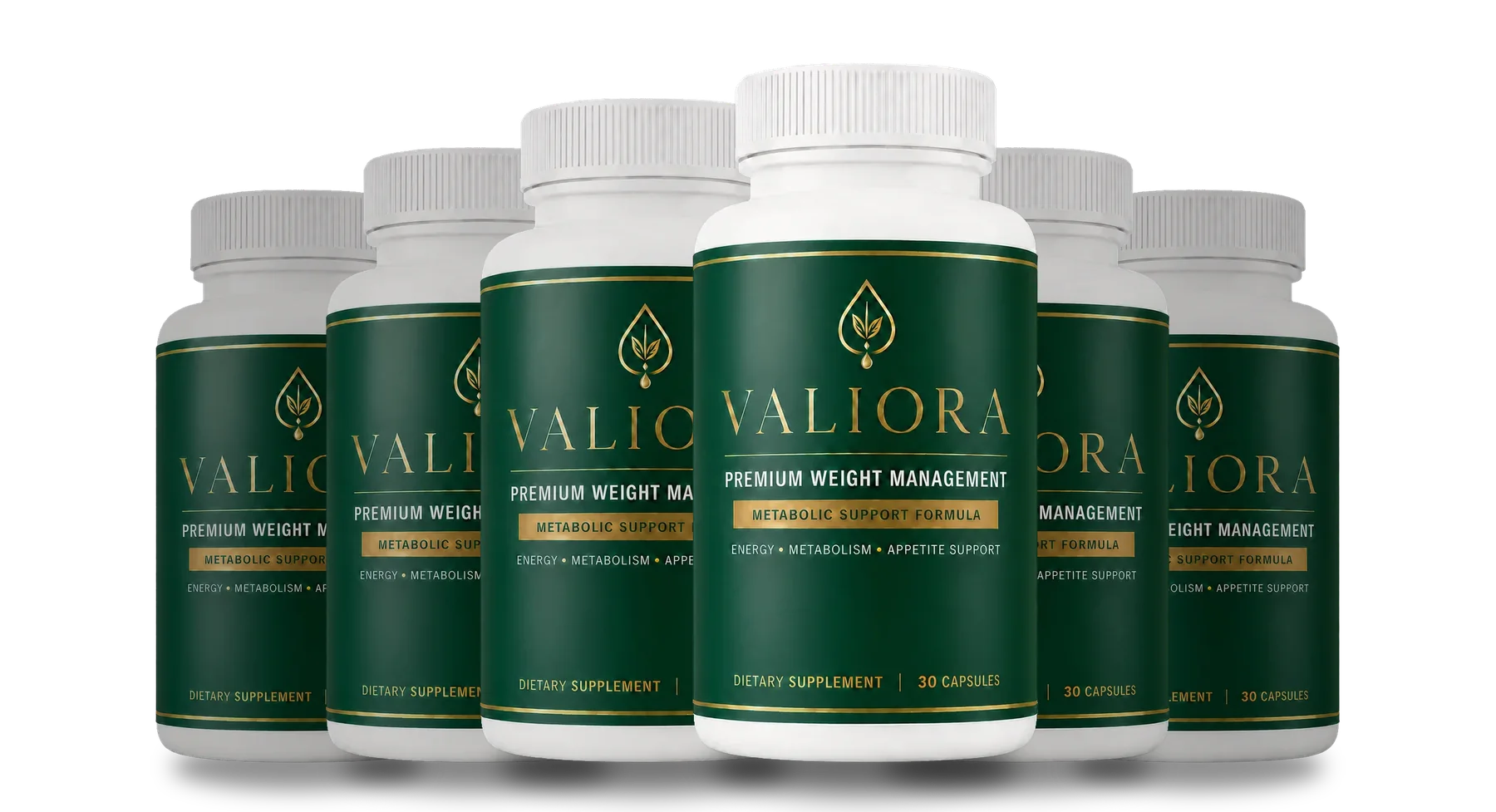
Support your active routine with Valiora
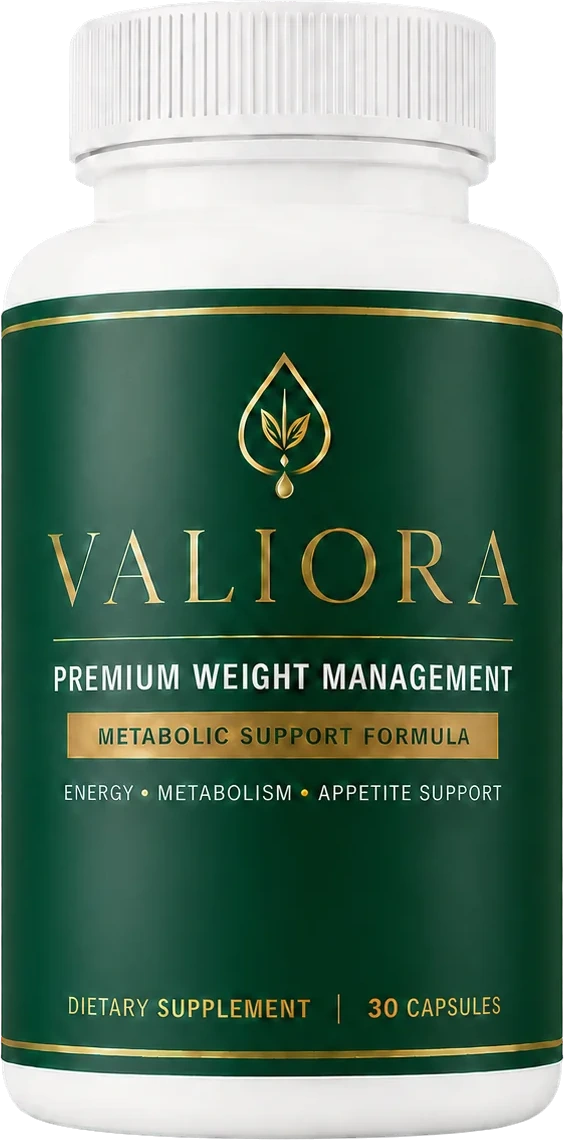
Valiora brings green tea extract, berberine, magnesium and other plant-based actives into one easy daily capsule — designed to complement daily movement, steady meals and good sleep. Backed by a 60-day money-back guarantee.
 See Valiora Packages
Simple ways to add more steps to your day
You do not have to find an hour for a formal walk. Most people build their steps from small, stacked habits:
- ✓ Walk after meals. A ten-minute stroll after eating helps digestion, steadies blood sugar and quietly adds hundreds of steps.
- ✓ Take walking calls. Pace the room or the block whenever you are on the phone.
- ✓ Park further away. Choose the far end of the car park and take stairs over lifts where you can.
- ✓ Break up sitting. Set a reminder to stand and move for a couple of minutes every hour.
- ✓ Make it social. A daily walk with a friend, partner or dog is far easier to keep up than a solo chore.
When these small movements become automatic, they add up to thousands of extra steps without any extra time carved out of your day. If your progress on the scale has stalled despite doing the basics, more daily movement is often the missing piece — see our guide on how to break a weight loss plateau.
Where a supplement fits in
Movement and diet do the real work; a sensible daily supplement plays a supporting role. Several plant-based ingredients are popular in metabolic and wellness formulas for their traditional use — green tea extract is rich in catechins associated with metabolism, berberine is widely used to support healthy blood-sugar balance, chromium supports normal macronutrient metabolism, and magnesium supports energy production and normal muscle function. A once-daily formula like Valiora makes that background support simple to keep up alongside a more active routine. Think of it this way: your steps are the engine; the supplement is background support. The Valiora homepage shows how the daily routine fits together.
The bottom line
How many steps a day to lose weight? Aim for a range you can sustain — often 7,000 to 10,000 — but focus first on beating your own current average. Walking is low-impact, appetite-friendly and stress-reducing, which makes it one of the most sustainable weight-loss habits there is. Stack small movements through the day, pair them with sensible eating, and let consistency do the heavy lifting.
FAQ
How many steps a day to lose weight?
There is no single magic number, but most people see benefits somewhere between 7,000 and 10,000 steps a day, paired with a sensible diet. Health gains begin well below 10,000, and simply moving from a low baseline (say 3,000) to 7,000 to 8,000 steps daily makes a real difference to calories burned and overall health.
Is 10,000 steps a day necessary for weight loss?
No. The 10,000-step target came from a 1960s marketing campaign, not from research. Studies show meaningful health and weight benefits at lower counts, with gains continuing as steps rise. Use 10,000 as an aspirational goal if you like, but do not treat anything less as a failure.
Can you lose weight just by walking?
Walking can support weight loss, but it works best alongside your eating habits. Walking burns extra calories, preserves the habit of daily movement, reduces stress and helps control appetite. On its own, walking will not out-run a diet with a consistent calorie surplus, so pair the two.
Does walking speed matter for weight loss?
Yes, to a point. A brisk pace burns more calories per minute and gives your heart and lungs a better workout than a slow stroll. But total daily movement matters most, so more steps at a comfortable pace still count. A mix of brisk walks and everyday steps is ideal.
When is the best time to walk for weight loss?
The best time is the one you will stick to consistently. A short walk after meals can help steady blood sugar and digestion, while a morning walk sets an active tone for the day. Consistency beats timing, so build walking into moments that already exist in your routine.
References
- Daily Step Count and All-Cause Mortality: A Dose-Response Meta-analysis of Prospective Cohort Studies (Sports Med, 2022)
- Daily steps and all-cause mortality: a meta-analysis of 15 international cohorts (Lancet Public Health, 2022)
- Relationship of Daily Step Counts to All-Cause Mortality and Cardiovascular Events (J Am Coll Cardiol, 2023)
- American College of Sports Medicine Position Stand. Appropriate physical activity intervention strategies for weight loss and prevention of weight regain for adults (Med Sci Sports Exerc, 2009)
- National Institutes of Health, Office of Dietary Supplements — ingredient fact sheets.
Every citation above was checked against its PubMed record on 3 September 2026. Research on an individual nutrient or habit is not evidence about any finished product.
† These statements have not been evaluated by the FDA. This product is not intended to diagnose, treat, cure or prevent any disease. This article is for general information only and is not medical advice. Affiliate disclosure: this is an independent guide, not the manufacturer. Some links here are affiliate links and we may earn a commission — at no extra cost to you — if you buy through them.