Home › Blog › Can Stress and Cortisol Cause Weight Gain
Causes & LifestyleCan Stress and Cortisol Cause Weight Gain?
| The problem | Chronic stress keeps the hormone cortisol elevated, which can raise appetite, drive cravings and encourage fat storage around the middle. |
| Main causes | Ongoing pressure, poor sleep, over-restriction, and stress-driven comfort eating that feed on each other. |
| What helps | Better sleep, daily movement and walks, breathing and downtime, protein-rich meals, and not under-eating. |
You’re eating much the same as always, but a stressful stretch at work or home lands — and the scale creeps up, especially around your middle. It’s a pattern millions notice, and it raises a fair question: can stress and cortisol cause weight gain? The short answer is yes, but not in the way most people assume. Stress doesn’t magically create fat. Instead, it pulls a set of levers — hormonal and behavioural — that quietly nudge your body toward storing more, especially around the belly.
This guide explains what cortisol actually does, how chronic stress translates into weight gain in everyday life, and the calming habits that help you break the cycle.
What cortisol is and why it matters
Cortisol is your body’s main stress hormone. It follows a natural daily rhythm — higher in the morning to get you going, lower at night so you can wind down — and in short bursts it’s genuinely useful, mobilising energy and sharpening focus when you need it. The problem isn’t cortisol itself; it’s chronic elevation. When stress never really switches off, cortisol stays higher than it should, and that’s the state associated with stronger cravings, disrupted sleep and fat storage around the organs. (Psychoneuroendocrinology, 2015)
How stress translates into weight gain
Cortisol works through several pathways at once. None is dramatic alone, but together they add up. (Lancet Diabetes Endocrinol, 2019)
It raises appetite and cravings
Elevated cortisol increases appetite and steers it toward calorie-dense, sweet and salty comfort foods — the exact foods that are easiest to over-eat.
It favours belly fat
Visceral fat, the deep fat around your organs, is especially responsive to cortisol. That’s why prolonged stress so often shows up first as a thicker waistline. If that’s your pattern, our guide on what causes belly fat covers the whole picture.
It wrecks your sleep
Stress and high evening cortisol make it harder to fall and stay asleep — and poor sleep then raises hunger hormones the next day, creating a self-feeding loop. See how poor sleep causes weight gain for that side of the story.
It drives comfort eating
Beyond hormones, stress changes behaviour. Reaching for food to soothe difficult feelings is a learned, reliable comfort — and it usually means extra calories that have nothing to do with real hunger.
The signs your weight gain might be stress-driven
A few clues suggest stress is a bigger factor than diet alone:
- ✓ Weight settles mainly around the middle rather than evenly.
- ✓ Cravings spike during pressured periods and ease when life calms down.
- ✓ You eat when you’re not physically hungry — to soothe, not to fuel.
- ✓ Your sleep suffers when stress is high, and hunger climbs the next day.
- ✓ You feel “wired but tired” — running on stress hormones yet low on real energy.
Calming habits that help
You can’t delete stress from modern life, but you can lower its grip on your body and its effect on your weight. These are the highest-value habits. Walking is the easiest of these to start with, and our guide on how many steps a day to lose weight sets a realistic target. (Sleep Med Rev, 2019)
1. Protect your sleep
Sleep is the single best cortisol regulator you have. Aim for seven to nine hours and a consistent wind-down; it steadies hormones and takes the edge off next-day cravings.
2. Move — especially walking
Daily movement burns off stress chemistry and lifts mood. Gentle, steady activity like walking is particularly good; punishing, exhausting workouts can actually add to your stress load if you’re already depleted.
3. Practise slowing down
A few minutes of slow breathing, time outdoors, stretching or simply protected quiet time signals safety to your nervous system and helps cortisol fall.
4. Don’t under-eat
Very aggressive dieting is itself a stressor that pushes cortisol up. A moderate, protein-rich intake you can sustain is calmer for your body than a crash diet — and it works better long term.
5. Build a pause before comfort eating
When the urge to eat for comfort hits, insert a short gap: a glass of water, a two-minute walk, a text to a friend. The pause gives the emotional wave time to pass and helps you choose on purpose.
Support a steadier daily routine
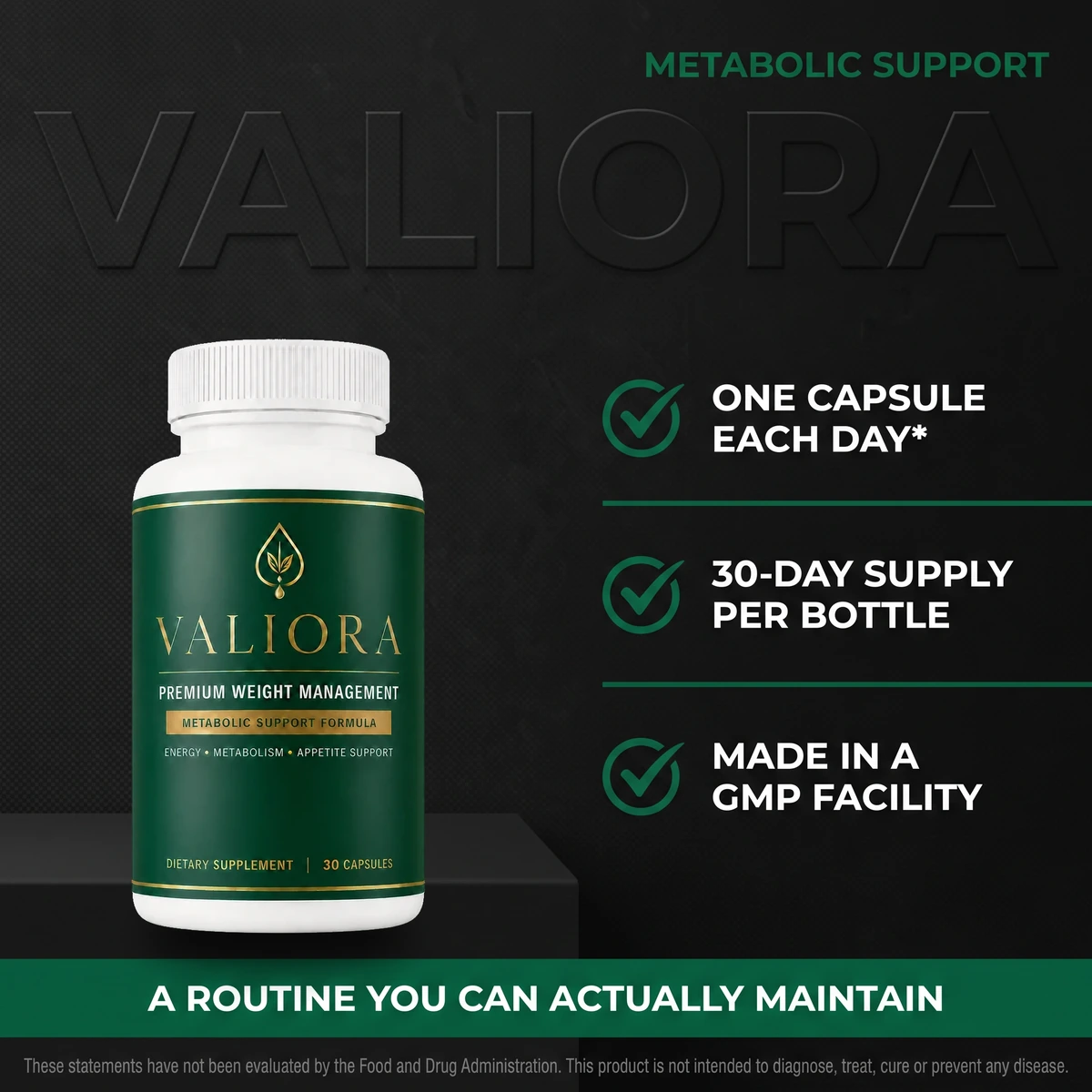
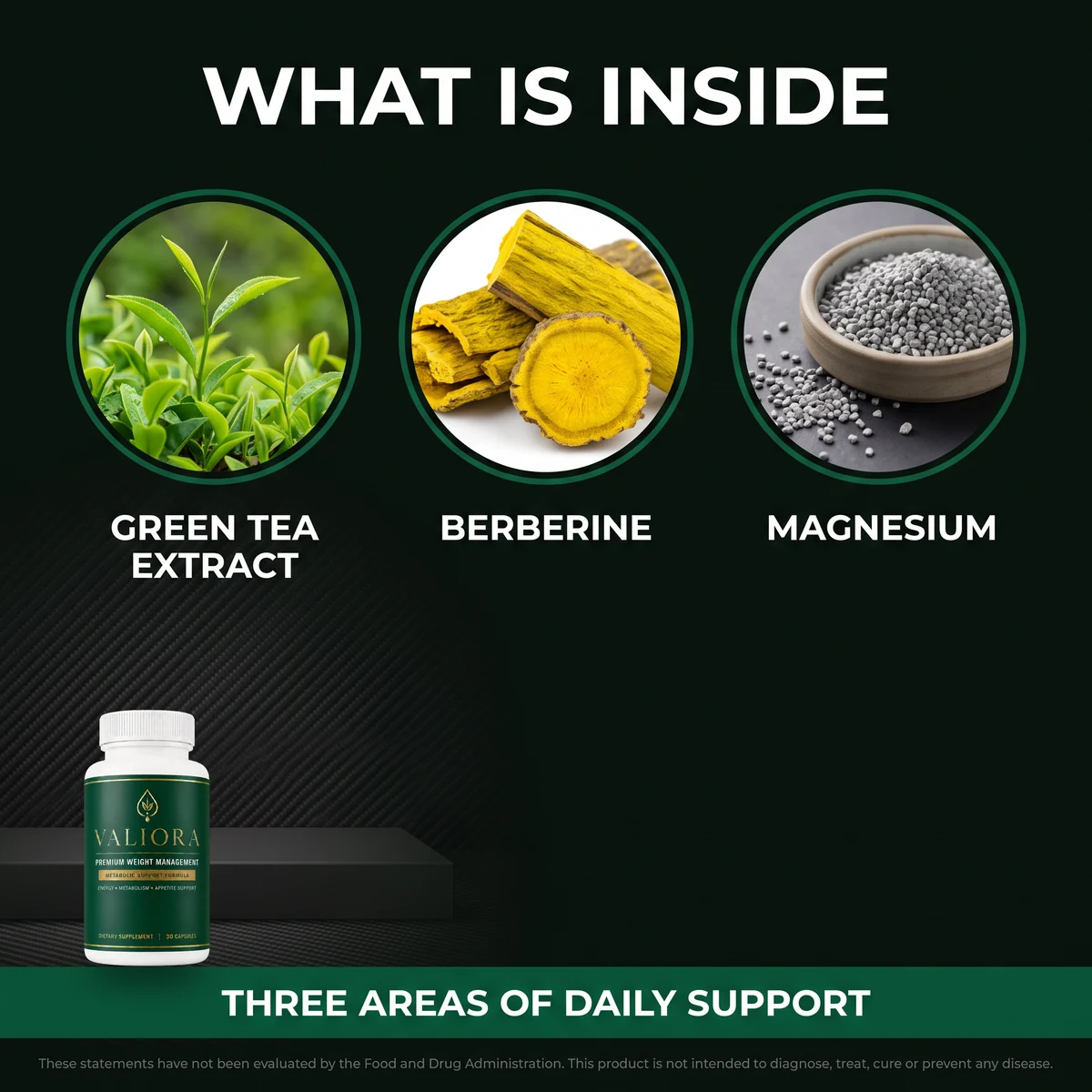
Valiora delivers magnesium, green tea extract and other plant-based actives in one daily capsule — magnesium supports normal nervous-system function and energy metabolism, part of a calmer, more consistent routine. Backed by a 60-day guarantee.
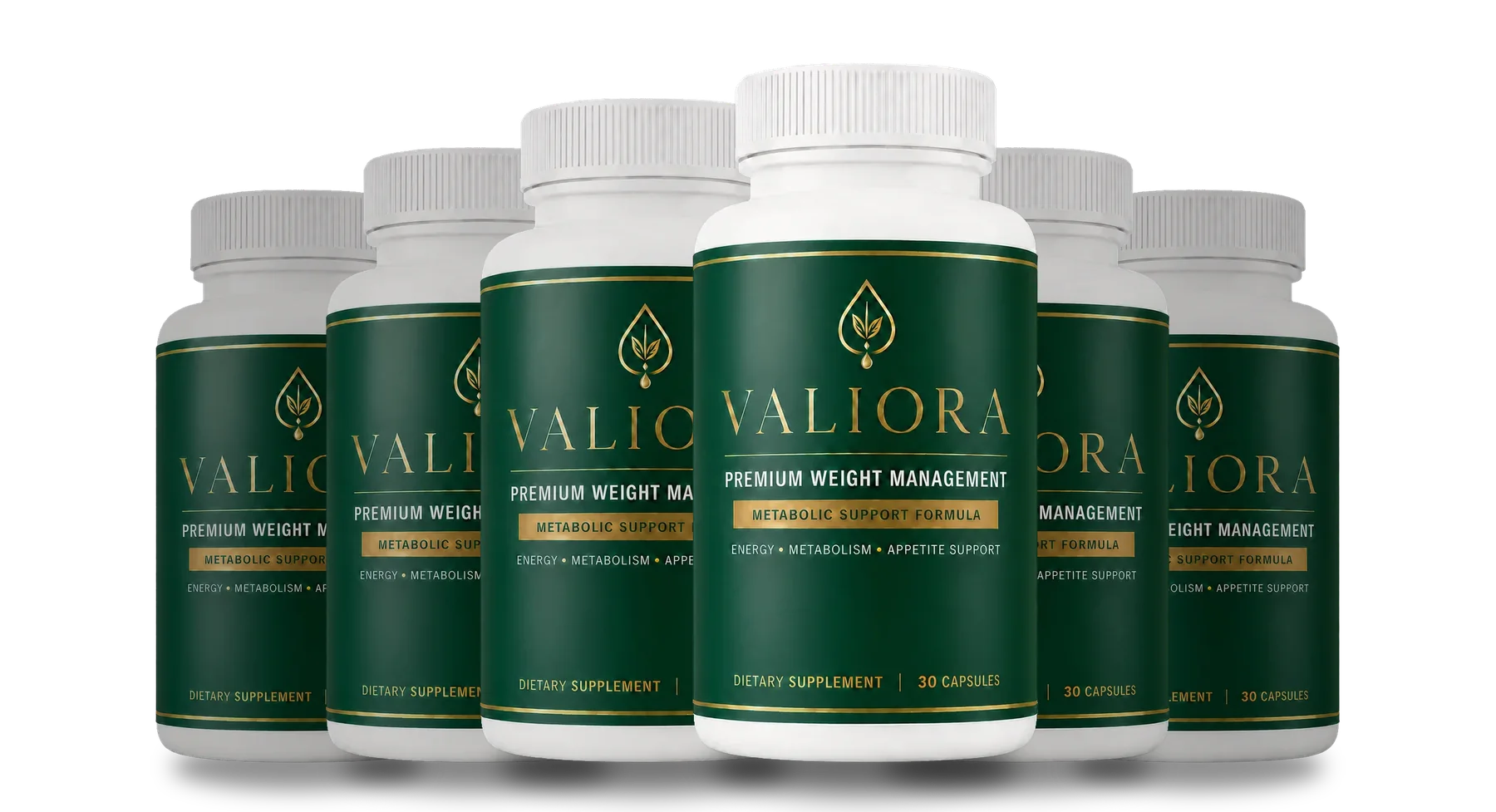 See Valiora Packages
Where a supplement fits in
Let’s be honest: no capsule is a treatment for stress, and the real work is sleep, movement, downtime and steady eating. Within a calm routine, though, certain ingredients have a supporting role. Magnesium supports normal nervous-system function and energy production, and green tea extract is associated with metabolism. A once-daily formula like Valiora makes that support easy to keep consistent while you build the habits that actually lower your stress load.
Because stress, sleep and appetite are tangled together, it helps to read across the set — our guide on why you feel hungry even after eating and the Valiora homepage round out the picture.
A simple stress-and-eating reset
If the full list feels overwhelming — which, ironically, is its own kind of stress — start with a small daily reset rather than an overhaul. The goal is to interrupt the loop in a few reliable places, not to become a different person overnight. If comfort eating is the part you find hardest to interrupt, our guide on how to stop emotional eating goes through it properly.
- ✓ Morning: a protein-rich breakfast and a few minutes of daylight to anchor your body clock and steady appetite for the day.
- ✓ Midday: a ten-minute walk, ideally outdoors. It burns off stress chemistry and breaks the sitting-and-simmering pattern that lets cortisol stay high.
- ✓ Late afternoon: when the classic slump and snack-urge hit, pause with a glass of water and three slow breaths before deciding whether you’re truly hungry.
- ✓ Evening: a genuine wind-down — lights down, screens away — so sleep can do its job of resetting cortisol overnight.
None of these steps is dramatic, and that is the point. Stress-driven weight gain is built from small, repeated moments, so it’s unwound the same way. Pick one or two of these to make automatic this week, and add the rest as they stick. Consistency, not intensity, is what lowers your body’s stress load over time — and a calmer body is far more willing to let go of what it’s been holding around the middle.
Putting it together
Stress and cortisol don’t create weight gain out of thin air, but they tilt the whole system toward it — more appetite, more belly-fat storage, worse sleep and more comfort eating. The way out isn’t another strict diet, which only adds stress. It’s to lower the pressure on your body: sleep well, move daily, carve out real downtime, eat enough protein, and give yourself a pause before stress-driven snacks. Calm the system, and the weight side of the equation gets much easier to manage.
FAQ
Can stress really cause weight gain?
Yes, indirectly. Chronic stress keeps cortisol elevated, which can increase appetite and cravings for calorie-dense food, disrupt sleep and encourage the body to store fat around the middle. Stress itself doesn’t add weight, but the behaviours and hormone shifts it triggers can.
What is cortisol and what does it do?
Cortisol is your main stress hormone. In short bursts it’s helpful — it mobilises energy and sharpens focus. The problem is chronic elevation from ongoing stress and poor sleep, which is associated with more abdominal fat and stronger cravings.
Why does stress cause belly fat specifically?
Deep abdominal (visceral) fat has a high density of cortisol receptors, so persistently high cortisol tends to favour fat storage around the organs. That is why prolonged stress often shows up first around the middle.
Can supplements lower stress and cortisol?
No supplement is a treatment for stress. Magnesium supports normal nervous-system function and energy metabolism, and a steady daily routine can help; but the biggest levers are sleep, movement, downtime and not under-eating.
References
- Hypothalamic-pituitary-adrenal axis dysregulation and cortisol activity in obesity: A systematic review (Psychoneuroendocrinology, 2015)
- Visceral and ectopic fat, atherosclerosis, and cardiometabolic disease: a position statement (Lancet Diabetes Endocrinol, 2019)
- Effects of sleep restriction on metabolism-related parameters in healthy adults: A comprehensive review and meta-analysis of randomized controlled trials (Sleep Med Rev, 2019)
- Emotional Eating Interventions for Adults Living with Overweight or Obesity: A Systematic Review and Meta-Analysis (Int J Environ Res Public Health, 2023)
- National Institutes of Health, Office of Dietary Supplements — ingredient fact sheets.
Every citation above was checked against its PubMed record on 3 September 2026. Research on an individual nutrient or habit is not evidence about any finished product.
† These statements have not been evaluated by the FDA. This product is not intended to diagnose, treat, cure or prevent any disease. This article is for general information only and is not medical advice. Affiliate disclosure: this is an independent guide, not the manufacturer. Some links here are affiliate links and we may earn a commission — at no extra cost to you — if you buy through them.