Home › Blog › How Poor Sleep Causes Weight Gain
Causes & LifestyleHow Poor Sleep Causes Weight Gain (and How to Fix It)
| The problem | Short or broken sleep raises hunger hormones, increases cravings, lowers energy to move, and is linked to more weight gain over time. |
| Main causes | Late screens, caffeine and alcohol, irregular bedtimes, stress, and a bedroom that’s too warm or too bright. |
| What helps | A consistent sleep schedule, a wind-down routine, a cool dark room, limiting late caffeine and alcohol, and morning light. |
We tend to treat sleep as the thing we sacrifice to fit everything else in — the first item cut when life gets busy. But if you’re working hard on your diet and movement and the scale still won’t budge, your nights may be quietly undermining your days. So does lack of sleep cause weight gain? The research is remarkably consistent: yes, and through several pathways at once. The encouraging flip side is that improving your sleep is one of the most underrated, cost-free levers you have.
This guide explains exactly how poor sleep drives weight gain and gives you a practical, everyday routine to sleep for a leaner, steadier you.
How poor sleep drives weight gain
Sleep loss doesn’t add weight directly — it changes your hormones, your appetite and your behaviour in ways that make gaining weight almost the default. Here’s the chain of events. (Ann Intern Med, 2004)
1. It flips your hunger hormones
Short sleep raises ghrelin, the hormone that says “eat,” and lowers leptin, the one that says “you’re full.” The result: you feel hungrier the next day on the very same meals. For more on that appetite side, see why you feel hungry even after eating.
2. It amplifies cravings
A tired brain is drawn to quick energy and reward, which means sugary and high-fat foods look far more appealing. It’s harder to say no to the pastry after a broken night — that’s biology, not weakness.
3. It saps your energy to move
When you’re exhausted, you move less all day — fewer steps, less fidgeting, skipped workouts. That drop in background activity is a real dent in daily calorie burn.
4. It raises stress hormones
Poor sleep pushes cortisol up, and elevated cortisol encourages appetite and fat storage around the middle. Sleep and stress feed each other in a loop — our guide on how stress and cortisol affect weight covers that connection in depth.
5. It nudges more late-night eating
More waking hours in the evening simply means more opportunities to snack, usually on exactly the foods a tired brain craves.

The vicious cycle — and how to break it
Here’s the trap: poor sleep drives cravings and weight gain, and stress about weight (plus late-night eating and screens) then worsens sleep. Left alone, the loop tightens. The way out is to treat sleep as a genuine part of your weight-management plan, not a luxury you’ll get to eventually. Small, consistent changes to your nights pay off in your days. (Obesity (Silver Spring), 2016)
How to sleep for a leaner, steadier you
You don’t need a perfect eight hours every night to benefit. Aim for consistency and these high-value habits. (Sleep Med Rev, 2019)
1. Keep a consistent schedule
Going to bed and waking at similar times — even on weekends — steadies your body clock and improves sleep quality more than almost anything else.
2. Build a wind-down routine
Give your brain thirty minutes to shift gears: dim the lights, step away from screens, and do something calm — reading, a warm shower, gentle stretching. This is where night-time sugar cravings can be interrupted too, by replacing the sofa-and-snack loop with a wind-down ritual.
3. Watch caffeine and alcohol
Caffeine can linger for hours, so keep it to the earlier part of the day. Alcohol may help you fall asleep but fragments the deeper, restorative stages, so you wake less rested.
4. Make the bedroom cool, dark and quiet
A slightly cool, genuinely dark room is a powerful sleep signal. Blackout curtains, an eye mask, or simply removing glowing devices can make a real difference.
5. Get morning light and daytime movement
Bright light early in the day anchors your body clock, and regular movement helps you fall asleep faster at night — just avoid intense exercise right before bed.
6. Don’t eat a heavy meal too late
Large, rich meals close to bedtime can disrupt sleep. Aim to finish eating a couple of hours before you turn in.
Support a calmer wind-down
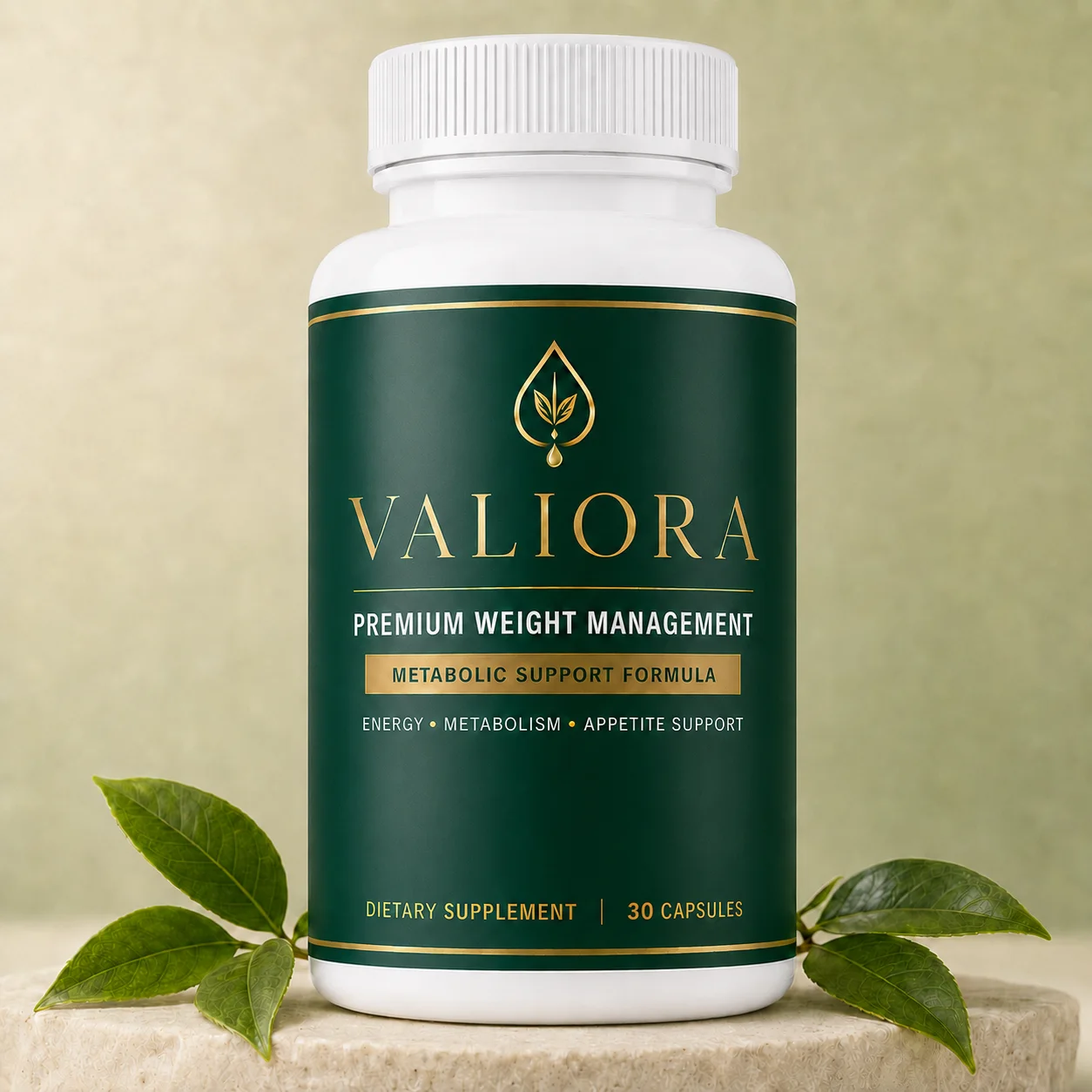
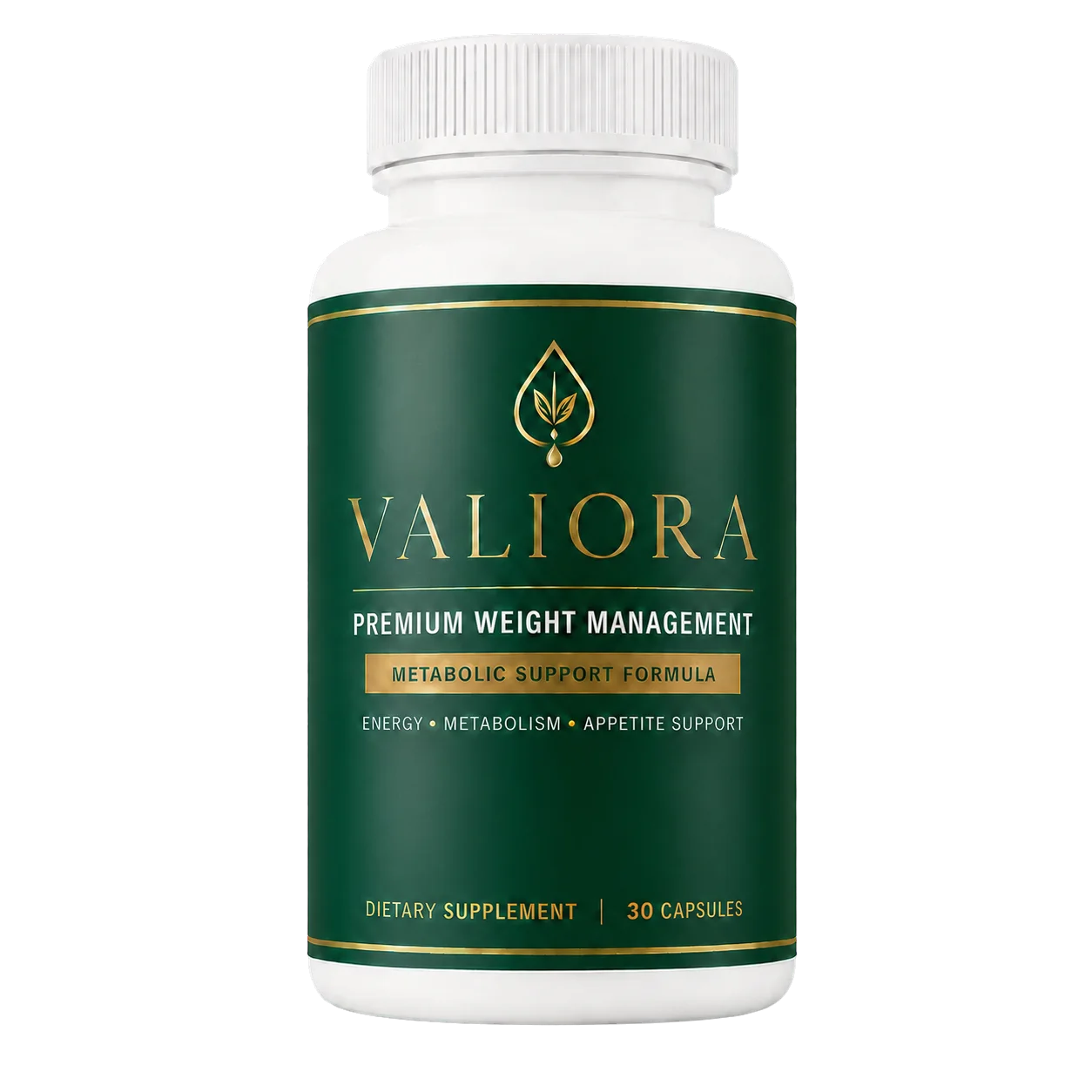
Valiora combines magnesium — which supports normal nervous-system function and energy metabolism — with green tea extract and other plant-based actives in one simple daily capsule that fits a steady routine. Backed by a 60-day guarantee.
 See Valiora Packages
Where a supplement fits in
No capsule can substitute for a good night’s sleep — the habits above are what move the needle. Within a solid routine, though, certain ingredients play a supporting role. Magnesium supports normal nervous-system function and a calmer wind-down, and green tea extract is associated with metabolism and everyday energy. A once-daily formula like Valiora keeps that support consistent while you build the sleep habits that do the real work.
Because sleep, appetite and metabolism are linked, it’s worth reading across the set — our guide on how to speed up a slow metabolism and the Valiora homepage tie the daily routine together.
A realistic 30-minute wind-down
The single habit that helps most people is a short, repeatable wind-down that tells the brain the day is over. It doesn’t need to be elaborate — half an hour is plenty, and consistency matters far more than perfection.
- ✓ Minute 0–10: dim the overhead lights and switch off or put away screens. Bright light and scrolling are the two biggest signals telling your brain to stay awake.
- ✓ Minute 10–20: do something genuinely calming — a warm shower, light stretching, or a few pages of a paper book. Warm-then-cooling body temperature is a natural sleep cue.
- ✓ Minute 20–30: get into a cool, dark bedroom and let your mind unhook. If thoughts race, jot tomorrow’s to-dos on paper so your brain can set them down.
Do this at roughly the same time each night and your body starts to anticipate sleep, so you fall asleep faster and wake more rested. That single change ripples through the next day: steadier hunger hormones, fewer cravings, and more energy to move. Think of the wind-down not as lost time at the end of the day but as the foundation that makes the following day’s healthy choices dramatically easier.
Putting it together
If you take one thing from this guide, make it this: sleep isn’t separate from weight management — it’s at the centre of it. Skimp on rest and you raise hunger, amplify cravings, drain your energy to move and push stress hormones up, all of which quietly stack the deck against you. Protect your nights — a consistent schedule, a real wind-down, a cool dark room, sensible caffeine — and you make every other healthy habit easier to keep. Better sleep is the quiet foundation a leaner, steadier you is built on.
FAQ
Does lack of sleep really cause weight gain?
Yes. Even a few nights of short sleep raise the hunger hormone ghrelin and lower the fullness hormone leptin, increase cravings for calorie-dense food, and leave you with less energy to move. Over time, poorer sleep is consistently linked with more weight gain.
How many hours of sleep support a healthy weight?
Most adults do best on seven to nine hours. Both too little and very irregular sleep are associated with higher appetite and weight; consistency of bedtime matters as much as total hours.
Why do I crave junk food when I’m tired?
A tired brain seeks quick energy and reward, so it pushes you toward sugary and high-fat foods. Combined with higher ghrelin and lower leptin, that makes over-eating far more likely the day after a bad night.
Can supplements help me sleep and manage weight?
No supplement replaces good sleep habits. Magnesium supports normal nervous-system function and a calmer wind-down, and a steady routine helps; but the foundations are a consistent schedule, a dark cool room and limiting late caffeine and screens.
References
- Brief communication: Sleep curtailment in healthy young men is associated with decreased leptin levels, elevated ghrelin levels, and increased hunger and appetite (Ann Intern Med, 2004)
- Elevated ghrelin predicts food intake during experimental sleep restriction (Obesity (Silver Spring), 2016)
- Effects of sleep restriction on metabolism-related parameters in healthy adults: A comprehensive review and meta-analysis of randomized controlled trials (Sleep Med Rev, 2019)
- Effect of sleep duration on dietary intake, desire to eat, measures of food intake and metabolic hormones: A systematic review of clinical trials (Clin Nutr ESPEN, 2021)
- National Institutes of Health, Office of Dietary Supplements — ingredient fact sheets.
Every citation above was checked against its PubMed record on 3 September 2026. Research on an individual nutrient or habit is not evidence about any finished product.
† These statements have not been evaluated by the FDA. This product is not intended to diagnose, treat, cure or prevent any disease. This article is for general information only and is not medical advice. Affiliate disclosure: this is an independent guide, not the manufacturer. Some links here are affiliate links and we may earn a commission — at no extra cost to you — if you buy through them.