Home › Blog › Why Am I Always Hungry
Symptoms & CausesWhy Am I Always Hungry Even After Eating?
| The problem | Feeling hungry soon after eating usually means meals are low in protein, fibre or volume, or that sleep, stress and blood-sugar swings are driving appetite. |
| Main causes | Too little protein or fibre, refined-carb meals, dehydration, poor sleep, stress, eating too fast, and sometimes thirst mistaken for hunger. |
| What helps | More protein and fibre, whole foods, water before meals, slower eating, better sleep, and steadier blood sugar. |
You finish a meal, and within an hour you’re rummaging for a snack. It’s frustrating, it derails the best intentions, and it can feel like your body is working against you. So why are you always hungry even after eating? In most cases it isn’t a lack of discipline — it’s that your meals and daily habits aren’t sending your brain the “I’m full” signals it needs. Fix those signals and the constant hunger usually settles.
Below, we unpack how appetite actually works, the everyday causes of feeling hungry too soon, and the practical changes — mostly to what’s on your plate — that keep you satisfied for longer.
A quick tour of how appetite works
Hunger isn’t just an empty stomach. It’s a conversation between your gut, your hormones and your brain. Two hormones matter most: ghrelin, which rises to tell you to eat, and leptin, which signals fullness. Blood sugar plays a starring role too — a sharp spike after a sugary or refined-carb meal is often followed by a dip that the brain reads as urgent hunger. When these signals are steady, you feel satisfied between meals. When they swing, you feel hungry again far too soon. (Obes Rev, 2006)
The everyday causes of constant hunger
Here are the usual suspects. Most people who feel hungry all the time have two or three of these in play. (Ann Intern Med, 2004)
- ✓ Not enough protein. Protein is the most satiating macronutrient. A meal low in it empties from your awareness quickly, and hunger returns.
- ✓ Too little fibre. Fibre from vegetables, fruit, legumes and whole grains slows digestion and adds fullness. Low-fibre meals leave you empty fast.
- ✓ Refined-carb meals. White bread, pastries, sugary drinks and snacks cause the blood-sugar spike-and-crash cycle that manufactures fresh hunger within the hour.
- ✓ Low-volume food. Calorie-dense but small meals don’t stretch the stomach enough to trigger fullness. High-volume foods like vegetables and broth-based dishes do.
- ✓ Poor sleep. One short night raises ghrelin and lowers leptin the next day, so you feel hungrier on identical meals.
- ✓ Stress. Stress and elevated cortisol push appetite and cravings up, especially for quick, sweet or salty food.
- ✓ Eating too fast. Fullness signals take around twenty minutes to register. Eat faster than that and you’ll finish before your brain catches up.
- ✓ Thirst in disguise. The brain often confuses mild dehydration with hunger, sending you to the fridge when a glass of water was the answer.

How to feel full for longer
The fixes follow directly from the causes. You don’t need to eat less and white-knuckle through the hunger — you need to eat in a way that actually creates fullness. (Physiol Behav, 2020)
1. Put protein at the centre of every meal
Aim for a palm-sized portion at each meal: eggs, fish, poultry, Greek yogurt, cottage cheese, beans, lentils or tofu. Front-loading protein at breakfast is especially powerful for taming afternoon and evening hunger.
2. Pile on the fibre and volume
Fill half your plate with vegetables. They add fibre, water and volume for very few calories, which is exactly the combination that signals fullness to the brain.
3. Choose slow carbs over fast ones
Swap white bread, pastries and sugary drinks for oats, whole grains, legumes and fruit. Steadier blood sugar means fewer of the crashes that trigger sudden hunger. Our guide on how to stop sugar cravings at night goes deeper on keeping those swings under control.
4. Drink water before you eat
A glass of water before meals adds volume and rules out thirst masquerading as hunger. If you feel peckish between meals, try water and a ten-minute pause before deciding it’s real hunger.
5. Slow down at the table
Give fullness the twenty minutes it needs. Put the fork down between bites, chew properly, and eat away from screens so you notice the signal when it arrives.
6. Protect your sleep and manage stress
Because tiredness and stress both crank up appetite, they’re part of the solution. Prioritising sleep and building in small stress-relief habits quiets hunger you can’t out-eat. For the full connection, see how stress and cortisol affect weight.
Everyday support in one capsule
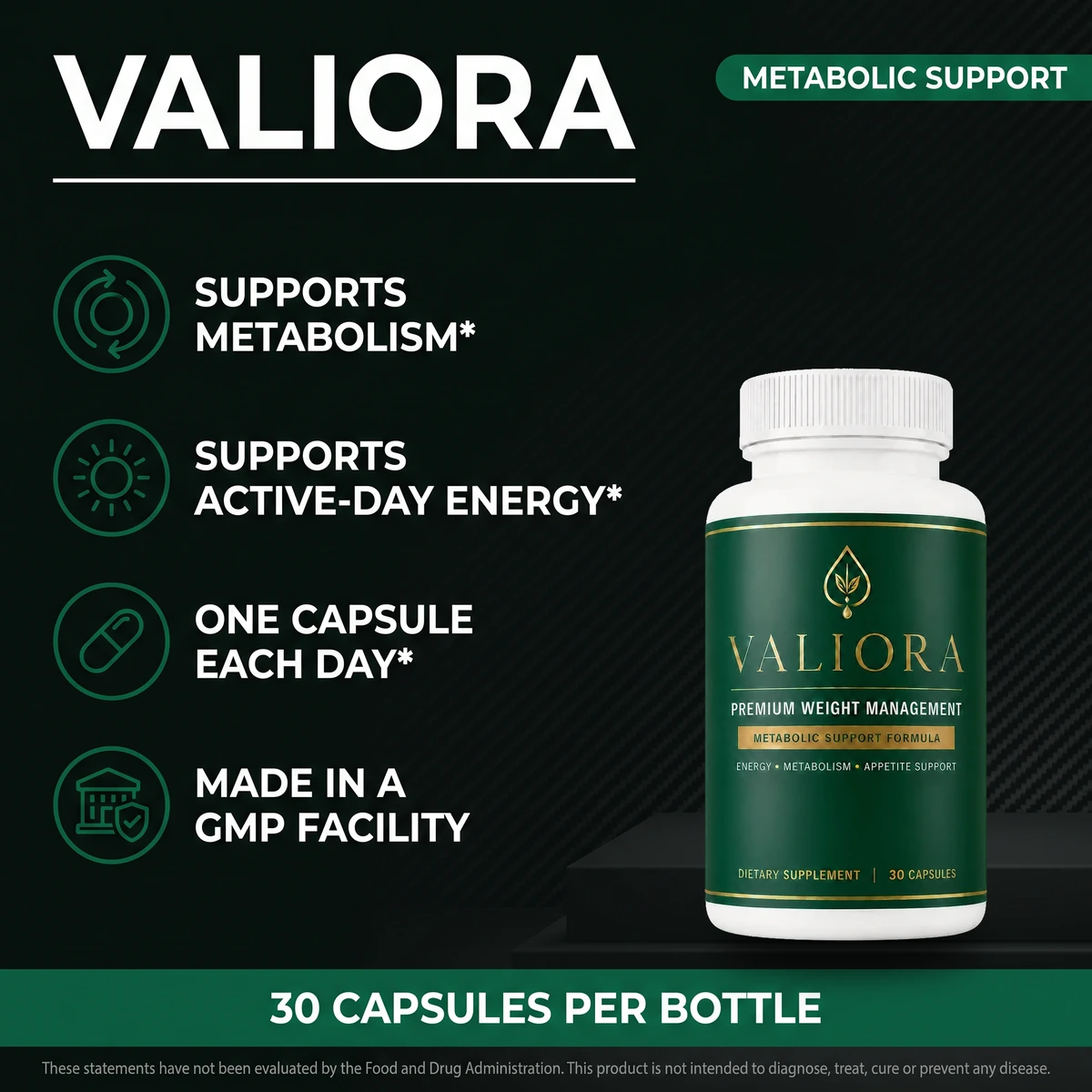
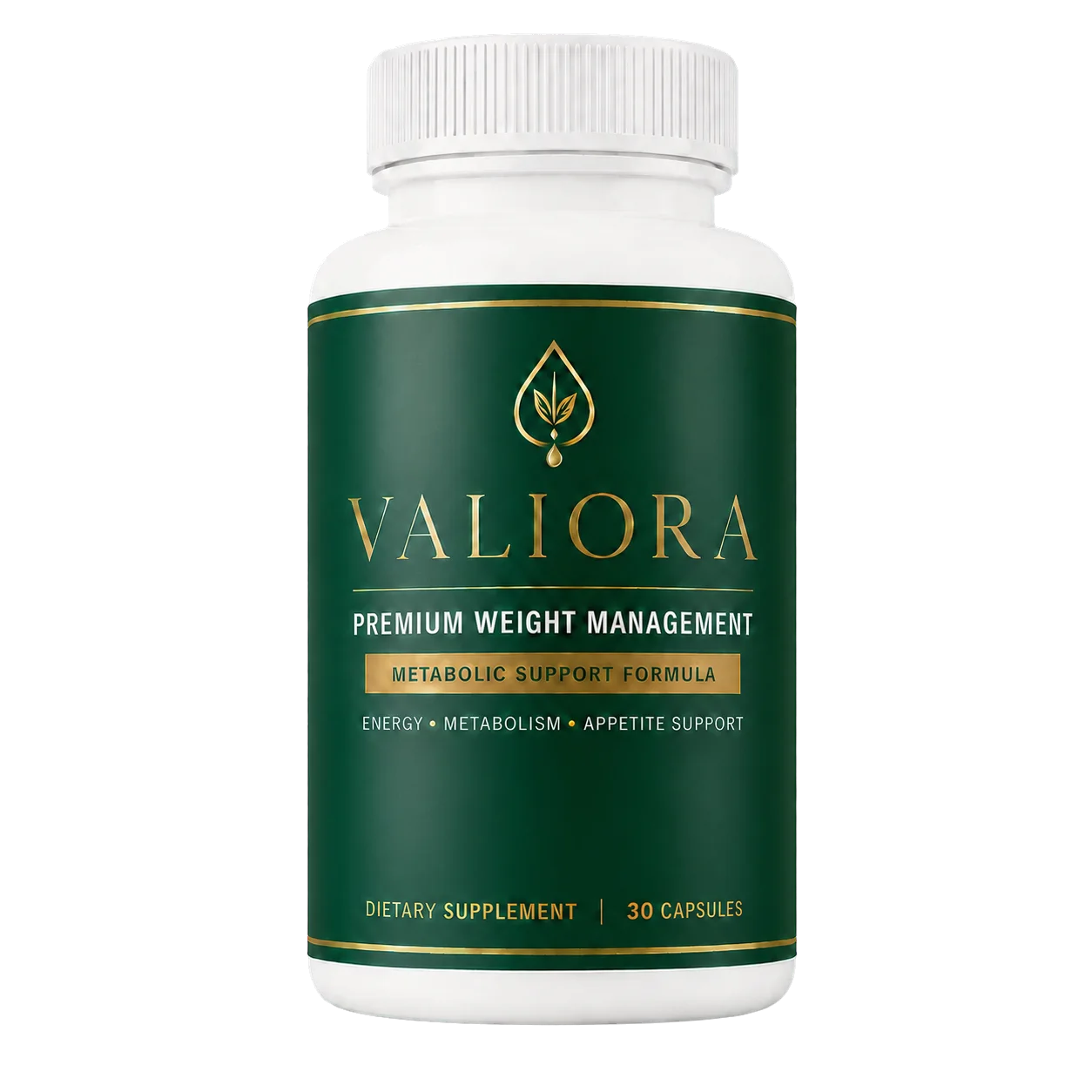
Valiora pairs chromium, berberine and green tea extract with magnesium in a single daily capsule designed to support steady energy and a balanced routine — the kind that helps appetite stay even. Backed by a 60-day guarantee.
 See Valiora Packages
Where a supplement fits in
No capsule replaces a filling plate — the food does the work. But some plant-based ingredients suit a routine aimed at steadier energy and appetite. Chromium supports normal macronutrient metabolism, berberine is traditionally used for healthy blood-sugar balance, green tea extract is associated with metabolism, and magnesium supports normal energy production. Bringing them together in a once-daily formula like Valiora makes that support easy to keep consistent while your meals do the heavy lifting.
If the bigger issue behind your hunger is a burn rate that’s slowed over the years, our guide on how to speed up a slow metabolism is the natural companion piece, and the Valiora homepage shows how the daily routine fits together.
A day of meals that keep you full
Sometimes the clearest way to fix constant hunger is to see a full day laid out. Here is a simple, protein-forward template you can adjust to your tastes and budget:
- ✓ Breakfast: eggs or Greek yogurt with fruit and a handful of oats or nuts — protein and fibre to steady the morning and prevent an 11 a.m. slump.
- ✓ Lunch: a large salad or grain bowl with a palm-sized portion of chicken, fish, tofu or beans, plenty of vegetables, and a little healthy fat like olive oil or avocado.
- ✓ Afternoon snack (if needed): a piece of fruit with a small handful of nuts, or cottage cheese — protein and fibre again, rather than a lone biscuit that vanishes in minutes.
- ✓ Dinner: protein plus half a plate of vegetables plus a slow carb such as sweet potato, quinoa or whole grains — filling enough to see you calmly through the evening.
Look at what these meals have in common: protein at every one, fibre and volume from vegetables and fruit, and slow rather than refined carbs. That combination is what tells your brain you’re fed. Compare it with a typical “hungry-again” day — a skipped breakfast, a sandwich and crisps at the desk, a sugary afternoon pick-me-up — and the difference in staying power is obvious. You don’t have to eat more food to feel full; you have to eat food that fills you.
When to check with a professional
For most people, constant hunger is a solvable diet-and-lifestyle pattern. Occasionally, though, persistent and unexplained hunger — especially alongside sudden weight change, excessive thirst or fatigue — can point to something a doctor should review. If rebuilding your meals around protein, fibre, water and sleep doesn’t help over a few weeks, it’s worth a conversation with a healthcare professional.
The bottom line: feeling hungry after eating is usually your body telling you the meal was missing something. Add protein, fibre, volume and water, slow down, sleep well — and satisfying hunger becomes far easier than fighting it.
FAQ
Why am I always hungry even after eating?
Most often your meals are high in refined carbs and low in the things that create fullness — protein, fibre and volume — so blood sugar spikes and dips and hunger returns quickly. Poor sleep, stress, dehydration and eating too fast all amplify it.
Is constant hunger a sign of something serious?
Usually it is a diet-and-lifestyle pattern rather than a medical problem, and it improves when meals are rebuilt around protein and fibre. But persistent, unexplained hunger with other symptoms — such as sudden weight change or excessive thirst — is worth discussing with a doctor.
Does drinking water reduce hunger?
It can. Mild dehydration is easily mistaken for hunger, and a glass of water before a meal adds volume that helps you feel full sooner. Water is not a cure for real hunger, but it removes a common false alarm.
Can supplements curb appetite?
No supplement replaces a filling, balanced meal. Ingredients such as chromium and berberine are traditionally linked to healthy blood-sugar balance, and green tea extract to metabolism; they may support a routine built on protein, fibre, sleep and hydration, not stand in for it.
References
- Gut peptides and the regulation of appetite (Obes Rev, 2006)
- Brief communication: Sleep curtailment in healthy young men is associated with decreased leptin levels, elevated ghrelin levels, and increased hunger and appetite (Ann Intern Med, 2004)
- Effect of short- and long-term protein consumption on appetite and appetite-regulating gastrointestinal hormones, a systematic review and meta-analysis of randomized controlled trials (Physiol Behav, 2020)
- Can dietary viscous fiber affect body weight independently of an energy-restrictive diet? A systematic review and meta-analysis of randomized controlled trials (Am J Clin Nutr, 2020)
- National Institutes of Health, Office of Dietary Supplements — ingredient fact sheets.
Every citation above was checked against its PubMed record on 3 September 2026. Research on an individual nutrient or habit is not evidence about any finished product.
† These statements have not been evaluated by the FDA. This product is not intended to diagnose, treat, cure or prevent any disease. This article is for general information only and is not medical advice. Affiliate disclosure: this is an independent guide, not the manufacturer. Some links here are affiliate links and we may earn a commission — at no extra cost to you — if you buy through them.