Home › Blog › How to Stop Sugar Cravings at Night
Causes & LifestyleHow to Stop Sugar Cravings at Night: Causes and Simple Fixes
| The problem | Sugar cravings spike at night when meals were low on protein, sleep is short, stress is high, or evenings become a wind-down habit loop. |
| Main causes | Blood-sugar swings, under-eating during the day, tiredness, stress and boredom, and simple habit triggers. |
| What helps | Protein-rich meals, a real dinner, better sleep, a new evening ritual, and keeping trigger foods out of easy reach. |
You ate a sensible dinner, you weren’t even that hungry — and yet, an hour after the plates are cleared, the pull toward something sweet is almost impossible to ignore. If that’s you most evenings, you’re in very good company, and you’re not weak-willed. Learning how to stop sugar cravings at night starts with understanding why they hit hardest after dark, because the fixes follow directly from the causes.
This guide covers the real reasons evening cravings show up and the practical, repeatable habits that quiet them — without relying on willpower alone, which almost always runs out by 9 p.m.
Why sugar cravings hit hardest at night
Evening cravings are rarely about a single trigger. Usually several line up at the end of the day, right when your resolve is at its lowest. (Ann Intern Med, 2004)
Blood-sugar swings
A dinner heavy in refined carbs and light on protein or fibre can spike blood sugar and then let it dip a while later. That dip reads to your brain as “get quick energy now,” and quick energy means sugar.
Under-eating during the day
Skipping breakfast, a rushed desk lunch or a day of grazing on carbs leaves an energy and protein debt. Your body collects on that debt at night, when you finally slow down — and it asks for the fastest fuel it knows.
Tiredness
When you’re short on sleep, the hunger hormone ghrelin rises and the fullness hormone leptin falls, while a tired brain reaches for sugar as a quick pick-me-up. Late nights are craving factories.
Stress and boredom
The evening is when the day’s stress finally surfaces and structure disappears. Sweet food is an easy, reliable comfort, so the brain learns to reach for it to change how it feels.
Pure habit
If dessert on the sofa has happened a thousand times, the couch itself becomes the cue. You’re not hungry — you’re following a well-worn loop your brain runs on autopilot.

How to stop sugar cravings at night: the daytime fixes
Here’s the counter-intuitive part: the most powerful cures for night-time cravings happen during the day. Fix the daytime, and the evening pull often shrinks on its own. (Nutrients, 2021)
1. Eat enough, and eat protein early
Front-load protein at breakfast and lunch — eggs, Greek yogurt, fish, poultry, beans or tofu. Protein is the most filling macronutrient and it steadies appetite for hours, so you arrive at the evening without an energy debt to repay.
2. Don’t skip meals to “save” calories
Under-eating during the day almost always backfires at night. A moderate, steady intake beats a heroic day of restriction followed by a 10 p.m. raid on the pantry.
3. Build a real dinner
Make the evening meal genuinely satisfying: protein, plenty of vegetables and some fibre. A dinner that fills you leaves far less room — physically and psychologically — for a sugar hunt an hour later.
4. Add fibre and slow carbs
Vegetables, legumes, oats and whole grains slow the release of sugar into your blood, smoothing out the swings that trigger cravings later.
The evening fixes
Once the daytime is handled, a few simple evening tactics do the rest. (Am J Clin Nutr, 2006)
- ✓ Keep trigger foods out of the house. The most reliable willpower is not needing any. If the ice cream isn’t in the freezer, the 9 p.m. craving fades on its own.
- ✓ Have a go-to swap ready. Berries, a square of dark chocolate, Greek yogurt, or a warm herbal tea can satisfy the ritual without a sugar avalanche.
- ✓ Break the sofa-sugar loop. Change the cue: brush your teeth early, take a short walk, or move to a different room. Interrupting the habit loop weakens it over time.
- ✓ Drink water first. Mild dehydration and even boredom often masquerade as a sugar craving. A glass of water and ten minutes’ wait resolves a surprising share of them.
- ✓ Get to bed. Cravings feed on tiredness. An earlier night removes both the extra snacking window and the next day’s hormone-driven hunger.
Broken sleep is such a common thread here that it deserves its own read — see our guide on how poor sleep causes weight gain for the full picture on rest and appetite.
Steady support, once a day
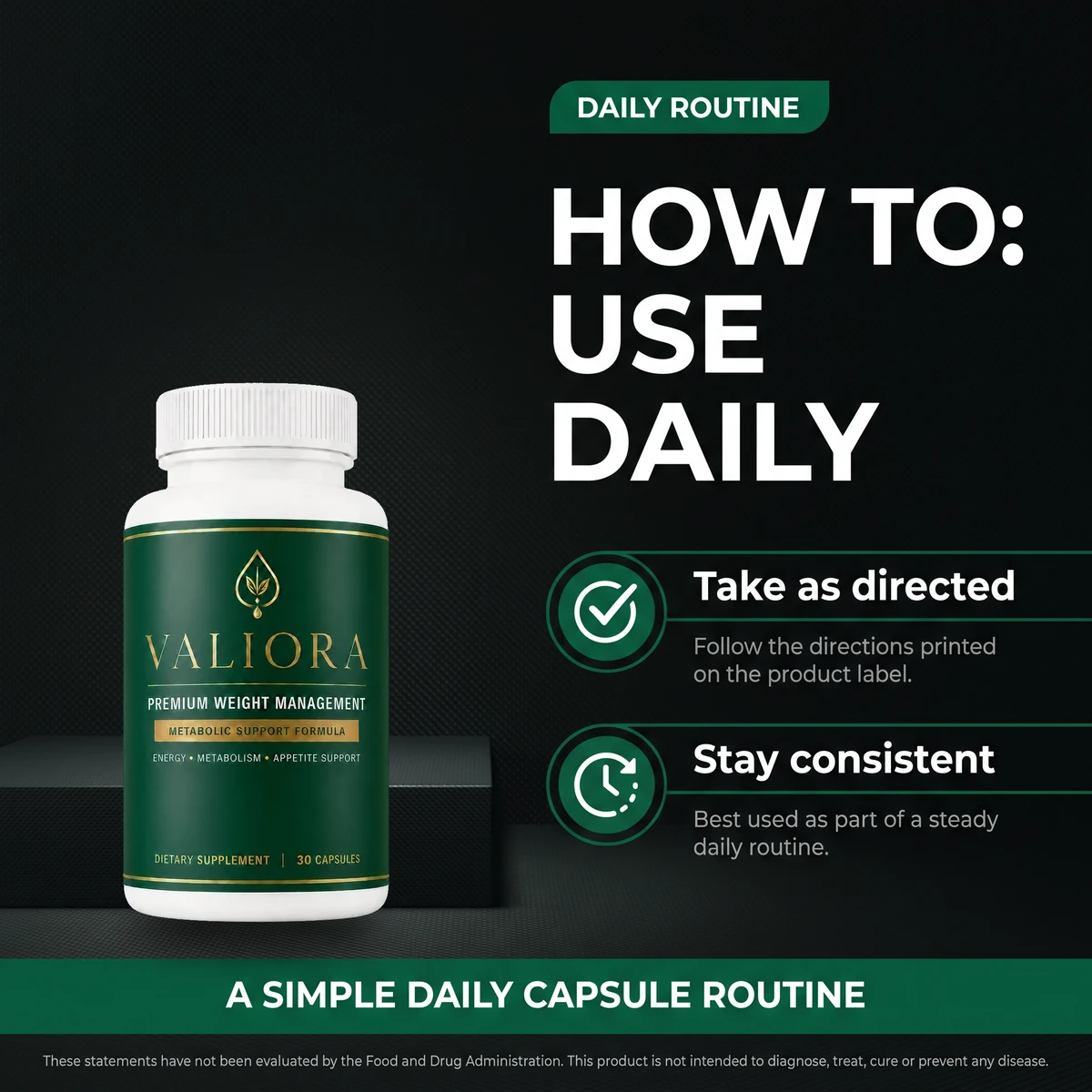
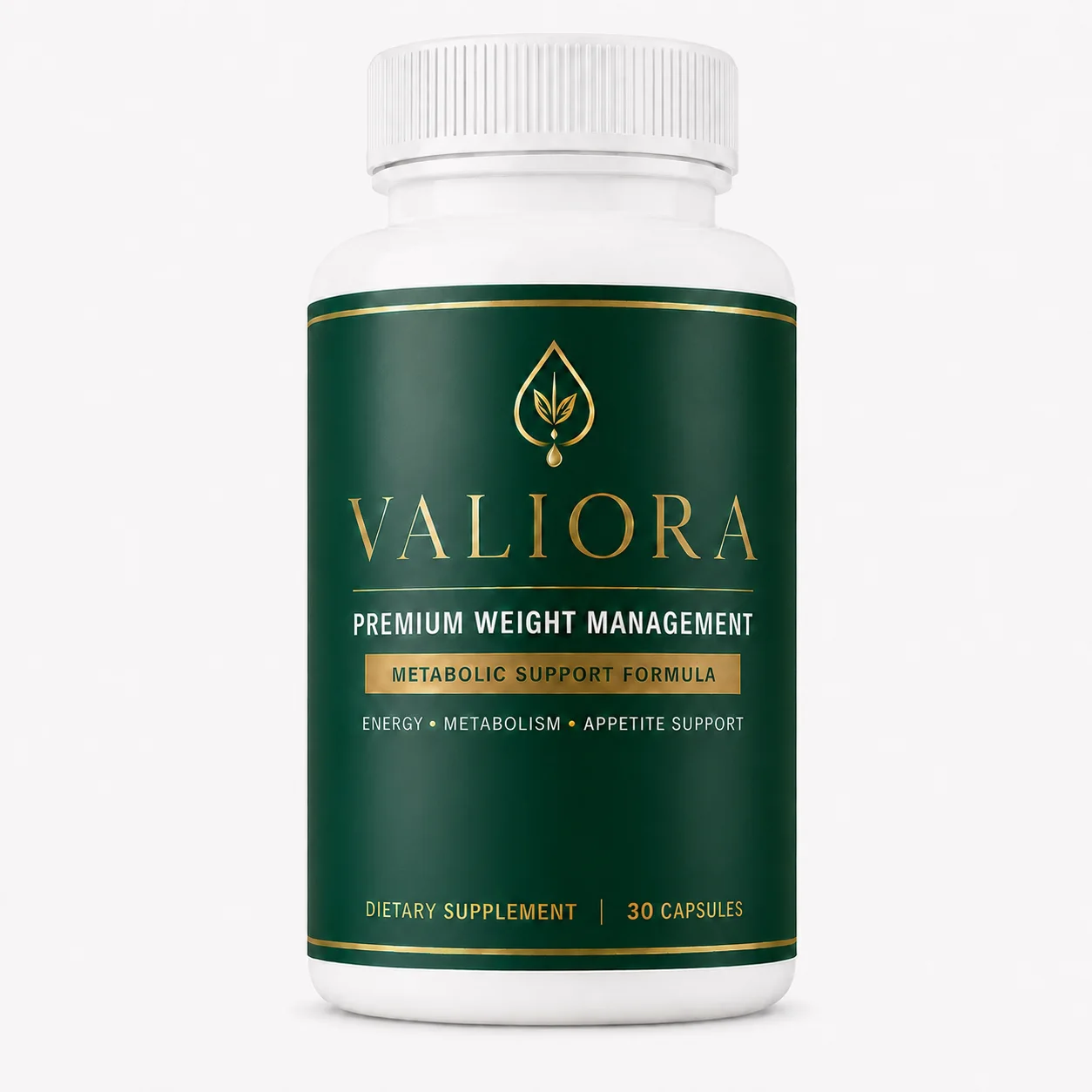
Valiora combines chromium, berberine, green tea extract and magnesium — ingredients traditionally linked to healthy blood-sugar balance and everyday energy — in one simple capsule that fits your daily routine. Backed by a 60-day guarantee.
 See Valiora Packages
Where a supplement fits in
Supplements are support, not a switch that turns cravings off. That said, a few plant-based ingredients earn their place in a routine aimed at steadier energy. Chromium supports normal macronutrient metabolism, berberine is widely used to support healthy blood-sugar balance, green tea extract is associated with metabolism, and magnesium supports normal energy production and a calmer wind-down. A once-daily formula like Valiora keeps that support consistent so the habits above have the best chance to stick.
If your cravings come with feeling hungry all the time, the appetite mechanics are worth understanding too — our guide on why you feel hungry even after eating is a natural next read, and the Valiora homepage shows how the daily routine ties together.
A craving-proof evening, step by step
It helps to see how the pieces fit into a real evening rather than as a list of rules. Here is a simple template you can adapt to your own life: When the pull is emotional rather than physical, our guide on how to stop emotional eating is the better starting point.
- ✓ 6:30 p.m. — a real dinner. Build the plate around protein and vegetables with some slow carbs, so you finish genuinely satisfied rather than merely fed.
- ✓ 7:30 p.m. — close the kitchen. Tidy up, wipe the counters and mentally mark the kitchen “closed.” A clear signal that eating is done for the day short-circuits mindless grazing.
- ✓ 8:30 p.m. — a planned treat, if you want one. A small square of dark chocolate, a bowl of berries with Greek yogurt, or a mug of herbal tea satisfies the ritual on your terms instead of a mindless raid.
- ✓ 9:30 p.m. — wind down and head to bed. Dim the lights, step away from screens, and let an earlier night quietly remove the late snacking window.
Notice that this isn’t about heroic restraint. It’s about designing the evening so the easy choice is also the helpful one. When the environment does the work, you don’t have to rely on willpower that’s already spent by the end of a long day. Adjust the timings to your own schedule — the sequence matters more than the exact clock.
Putting it together
Night-time sugar cravings aren’t a moral test you keep failing — they’re a signal. Usually the signal says: you didn’t eat enough protein today, you’re tired, you’re stressed, or you’re running a habit on autopilot. Answer the signal — eat properly during the day, build a satisfying dinner, protect your sleep, and swap the evening ritual for something that doesn’t sabotage you — and the cravings that felt unbeatable start to fade. Give it two or three consistent weeks; that’s usually all it takes to feel the difference.
FAQ
Why do I crave sugar so badly at night?
Night-time sugar cravings usually come from a mix of causes: eating too little or too few grams of protein during the day, blood-sugar dips after a carb-heavy dinner, tiredness that increases cravings, and the simple habit of pairing the evening sofa with a sweet treat. Stress and boredom add to it.
Does eating more during the day stop night cravings?
Often, yes. If you under-eat or skip protein all day, your body pushes hard for quick energy at night. Eating balanced meals with enough protein and fibre keeps blood sugar steadier so the evening pull is far weaker.
Is it bad to eat sugar at night specifically?
Sugar isn’t uniquely fattening after dark — total daily intake matters most — but night is when many people over-eat it mindlessly in front of a screen, and it can disturb sleep, which then feeds the next day’s cravings.
Can supplements help with sugar cravings?
No supplement removes cravings on its own. Ingredients such as chromium and berberine are traditionally associated with healthy blood-sugar balance, and magnesium supports normal energy metabolism; they may support a routine built on protein, fibre and good sleep, but they are not a substitute for it.
References
- Brief communication: Sleep curtailment in healthy young men is associated with decreased leptin levels, elevated ghrelin levels, and increased hunger and appetite (Ann Intern Med, 2004)
- Are Dietary Proteins the Key to Successful Body Weight Management? A Systematic Review and Meta-Analysis of Studies Assessing Body Weight Outcomes after Interventions with Increased Dietary Protein (Nutrients, 2021)
- Intake of sugar-sweetened beverages and weight gain: a systematic review (Am J Clin Nutr, 2006)
- Effects of mindfulness-based interventions on obesogenic eating behaviors: A systematic review and meta-analysis (Obes Rev, 2025)
- National Institutes of Health, Office of Dietary Supplements — ingredient fact sheets.
Every citation above was checked against its PubMed record on 3 September 2026. Research on an individual nutrient or habit is not evidence about any finished product.
† These statements have not been evaluated by the FDA. This product is not intended to diagnose, treat, cure or prevent any disease. This article is for general information only and is not medical advice. Affiliate disclosure: this is an independent guide, not the manufacturer. Some links here are affiliate links and we may earn a commission — at no extra cost to you — if you buy through them.