Home › Blog › Does Drinking Water Help You Lose Weight?
Symptoms & LifestyleDoes Drinking Water Help You Lose Weight? What the Science Says
| Short answer | Water does not burn fat on its own, but it supports weight loss by curbing appetite, replacing liquid calories and keeping your body running well. |
| How much | Around 1.5 to 2 litres (6–8 glasses) a day for most adults — more with heat or exercise. Pale straw urine means you are on track. |
| Best habit | Drink a glass before each meal and swap sugary drinks for water — two of the highest-value hydration habits. |
It is the simplest weight-loss tip in the world, and one of the most repeated: drink more water. But is there anything to it, or is it just filler advice? If you have ever wondered “does drinking water help you lose weight?” the honest answer is nuanced. Water will not melt fat by itself — nothing does — but staying properly hydrated genuinely supports weight loss in several practical, well-studied ways. This guide explains exactly how water helps, how much you actually need, and the everyday habits that turn a glass of water into a useful tool rather than an afterthought.
Does drinking water help you lose weight, really?
Let’s be clear up front: water contains zero calories, so it cannot directly cause fat loss the way a calorie deficit does. What it does is make the conditions for weight loss easier to reach and maintain. Think of hydration as a support act rather than the headliner. When you are well hydrated, you eat a little less, you are less likely to confuse thirst with hunger, you feel more energetic, and you replace calorie-heavy drinks with something free. Stack those small effects together over weeks and months, and water becomes a quietly powerful ally. (Obesity (Silver Spring), 2010)
None of this replaces the fundamentals — a sustainable eating pattern, movement and sleep. But of all the “free” habits available to you, drinking enough water is among the easiest to adopt and the hardest to argue against.
Five ways water supports weight loss
The link between hydration and body weight is not a single mechanism but a handful of overlapping ones. Here are the ones with the most support behind them: (Nutrients, 2016)
- ✓ It curbs appetite before meals. A glass of water shortly before eating fills part of the stomach, and studies in middle-aged and older adults show this can lead to eating meaningfully less at that meal.
- ✓ It replaces liquid calories. Swapping one sugary drink or juice a day for water can remove hundreds of calories without any feeling of deprivation — often the single biggest win.
- ✓ It stops thirst masquerading as hunger. The body’s thirst and hunger signals overlap, so mild dehydration is easily misread as a craving. A drink first often settles a false alarm.
- ✓ It supports energy and exercise. Even mild dehydration saps focus and physical performance, so being hydrated helps you move more and train harder.
- ✓ It may give metabolism a small nudge. Some research suggests drinking water briefly raises energy expenditure (so-called water-induced thermogenesis), though the effect is modest.
Notice that most of the benefit is behavioural — water helps you make better choices around food. That is exactly why it pairs so well with the habits in our guide on the best high-fiber foods for weight loss: fibre and water both work by helping you feel full on fewer calories.
How much water should you drink to lose weight?
There is no single magic number, and the old “eight glasses a day” rule is more rule of thumb than science. For most healthy adults, aiming for roughly 1.5 to 2 litres (about 6 to 8 glasses) a day is a sensible target, adjusted up for hot weather, exercise and body size. Remember that food — especially fruit, vegetables and soups — also contributes fluid, so you do not have to hit the whole total from plain water. (Nutr Rev, 2010)
The most reliable everyday gauge is not counting glasses but checking the colour of your urine: pale straw means you are well hydrated, while dark yellow suggests you need more. Thirst is a later signal, so do not wait until you are parched to drink.
Timing matters more than you think
When you drink can be as useful as how much. The single highest-value habit is a glass of water 20 to 30 minutes before each meal — it takes the edge off hunger so you start eating a little calmer and stop a little sooner. Keeping a bottle within reach through the day also nudges steady sipping, which beats gulping a litre at once.
Does water reduce bloating and water retention?
It sounds contradictory, but drinking enough water actually helps your body hold onto less of it. When you are under-hydrated or eating a lot of salt, the body clings to water as a defence, which shows up as puffiness and a heavier middle. Staying hydrated, easing off salty processed foods and moving regularly all help release that retained water. If a puffy, bloated feeling is a regular frustration for you, our guide on why you are always bloated and how to reduce it goes deeper into the everyday causes.
Support your daily routine with Valiora
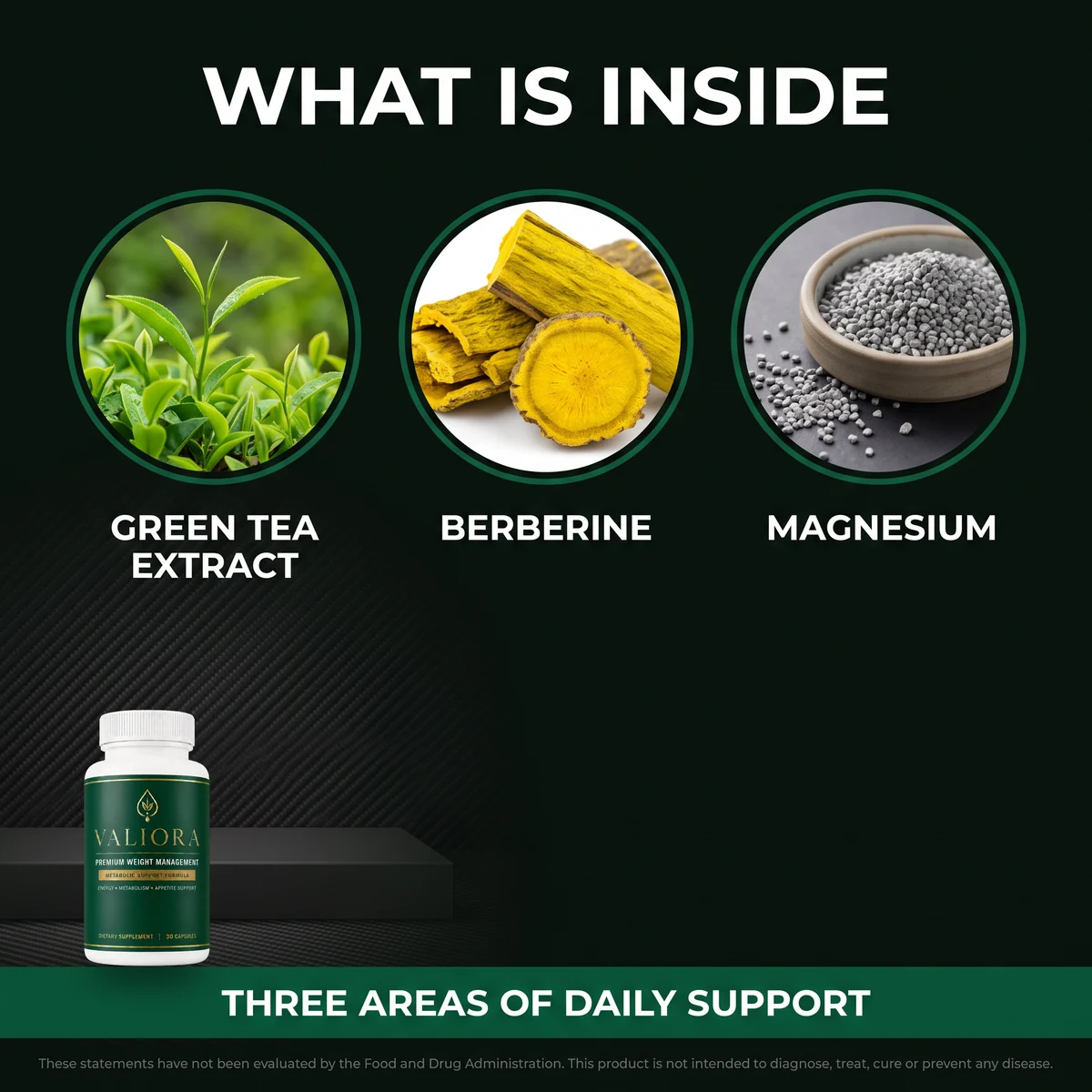
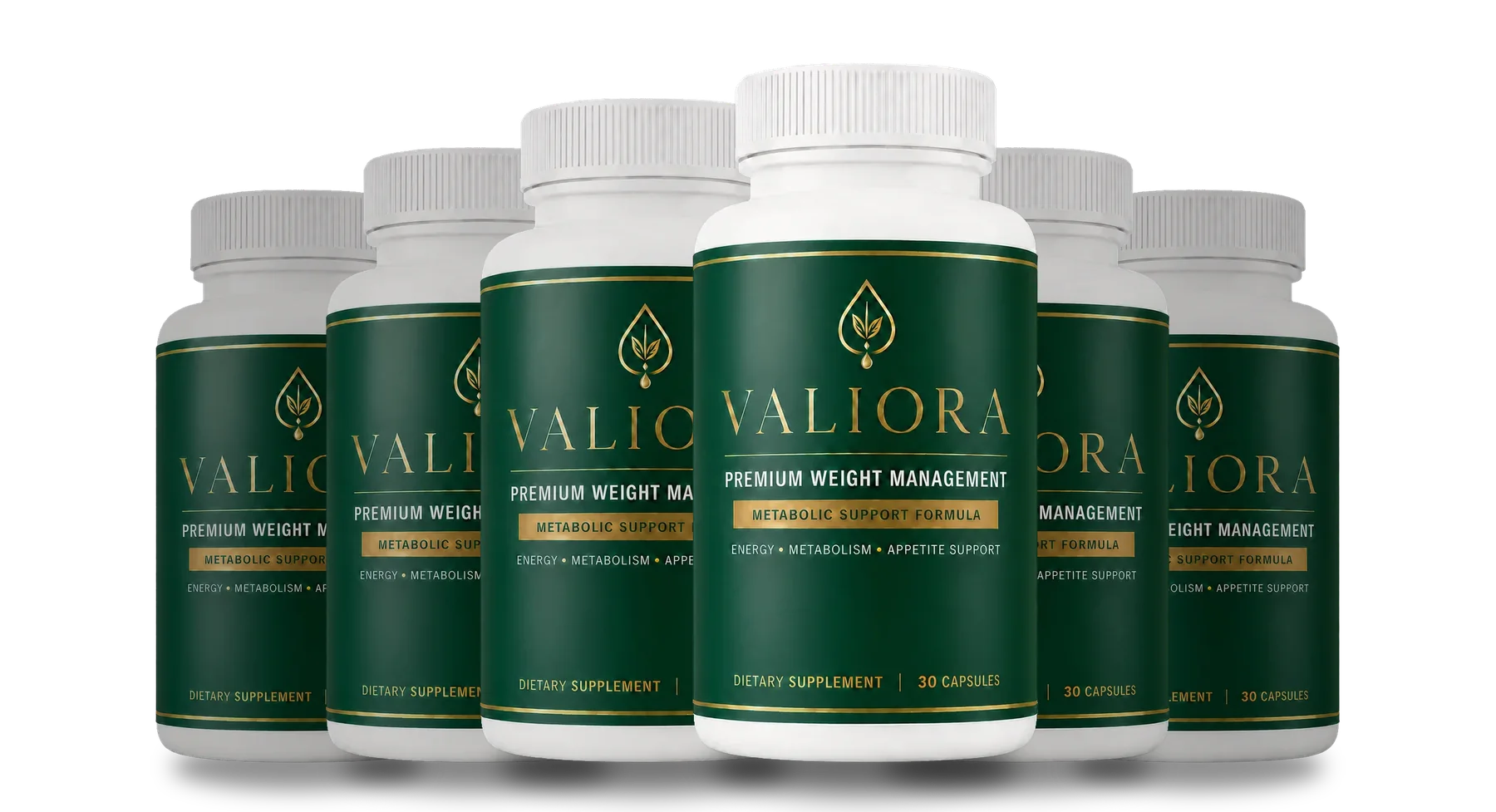
Valiora brings green tea extract, berberine, magnesium and other plant-based actives into one easy daily capsule — designed to complement good hydration, steady meals and everyday movement. Backed by a 60-day money-back guarantee.
 See Valiora Packages
Simple ways to drink more water every day
If you struggle to drink enough, the fix is rarely willpower — it is making water the path of least resistance:
- ✓ Keep a bottle in sight. A visible bottle on your desk or in your bag prompts sipping far more than one tucked away.
- ✓ Anchor it to habits. A glass on waking, one before each meal and one mid-afternoon builds a rhythm without counting.
- ✓ Flavour it naturally. Lemon, cucumber, mint or a splash of no-sugar cordial makes plain water more appealing.
- ✓ Swap, don’t add. Replace one sugary or fizzy drink at a time with water rather than trying to change everything at once.
- ✓ Eat your water. Fruit, vegetables and broth-based soups top up fluid and fibre together.
These habits also steady your appetite, which is why they sit so well beside our guide on whether skipping meals helps you lose weight — hydration is one of the calmest ways to manage hunger without going hungry.
Where a supplement fits in
Water and food do the heavy lifting; a sensible daily supplement plays a supporting role. Several plant-based ingredients are popular in metabolic and wellness formulas for their traditional use — green tea extract is rich in catechins associated with metabolism, berberine is widely used to support healthy blood-sugar balance, chromium supports normal macronutrient metabolism, and magnesium supports energy production and normal muscle function. A once-daily formula like Valiora makes that background support simple to keep up alongside the hydration habits above. The mindset that works: the supplement supports your effort; your habits are the engine. The Valiora homepage lays out how the daily routine fits together.
The bottom line
So, does drinking water help you lose weight? Not by burning fat directly — but yes, meaningfully, by curbing appetite, replacing liquid calories, preventing thirst-driven snacking and keeping your body and workouts running well. Aim for pale straw urine, drink a glass before meals, and swap sugary drinks for water. It is free, it is easy, and it makes every other healthy habit a little easier to keep.
FAQ
Does drinking water help you lose weight?
Water does not burn fat by itself, but it supports weight loss in several indirect ways. It fills the stomach and reduces how much you eat, it is often mistaken for hunger so it prevents unnecessary snacking, and replacing sugary drinks with water removes hundreds of liquid calories a day. Staying hydrated also helps digestion, energy and exercise, all of which support a steady routine.
How much water should I drink to lose weight?
A common general guide is around 6 to 8 glasses, roughly 1.5 to 2 litres, a day, adjusted for body size, activity and climate. A simple sign you are drinking enough is pale straw-coloured urine. Drinking a glass before each meal is a practical habit linked with eating slightly less.
Does drinking water before meals reduce appetite?
For many people, yes. A glass of water shortly before a meal adds volume to the stomach and can lead to eating a little less, especially in middle-aged and older adults. It is not a magic switch, but it is a free, low-effort habit that supports portion control alongside protein and fibre.
Does drinking water reduce water retention?
It can seem backwards, but staying well hydrated helps the body hold onto less water. When you are under-hydrated or eating a lot of salt, the body retains water. Drinking enough, easing off salt and moving regularly all help reduce puffiness and the heavy, bloated feeling that many mistake for fat gain.
Can I drink too much water?
Very rarely, drinking an extreme amount in a short time can dilute blood sodium, which is dangerous. For almost everyone, spreading normal amounts through the day is safe and beneficial. If you have a kidney or heart condition, ask your doctor how much fluid is right for you.
References
- Water consumption increases weight loss during a hypocaloric diet intervention in middle-aged and older adults (Obesity (Silver Spring), 2010)
- Negative, Null and Beneficial Effects of Drinking Water on Energy Intake, Energy Expenditure, Fat Oxidation and Weight Change in Randomized Trials: A Qualitative Review (Nutrients, 2016)
- Water, hydration, and health (Nutr Rev, 2010)
- Water intake, hydration, and weight management: the glass is half-full! (Physiol Behav, 2025)
- National Institutes of Health, Office of Dietary Supplements — ingredient fact sheets.
Every citation above was checked against its PubMed record on 3 September 2026. Research on an individual nutrient or habit is not evidence about any finished product.
† These statements have not been evaluated by the FDA. This product is not intended to diagnose, treat, cure or prevent any disease. This article is for general information only and is not medical advice. Affiliate disclosure: this is an independent guide, not the manufacturer. Some links here are affiliate links and we may earn a commission — at no extra cost to you — if you buy through them.