Home › Blog › Why Am I Always Bloated?
Symptoms & CausesWhy Am I Always Bloated? Everyday Causes and How to Reduce It
| What it is | Everyday bloating is usually trapped gas and water — a temporary swelling, not stored fat. |
| Common causes | Eating fast, a fibre jump, too much salt, fizzy drinks, constipation, stress and certain fermentable foods. |
| What helps | Slow down, sip water, cut salt and fizz, walk after meals, add fibre gradually, and keep a steady meal rhythm. |
You wake up with a flat, comfortable stomach, and by mid-afternoon your waistband is digging in and you feel puffy and heavy. If you find yourself asking “why am I always bloated?” you are in very good company — bloating is one of the most common everyday complaints, and for most people it has nothing to do with gaining fat. It is usually trapped gas and water responding to what and how you eat, how you sleep, and how stressed you are. This guide explains the everyday causes of feeling always bloated, how to tell bloating apart from belly fat, and the simple foods and habits that help you reduce it.
Bloating is not the same as belly fat
The first and most reassuring point: bloating and belly fat are different things. Bloating is a temporary swelling caused by gas or water in the digestive system. It comes and goes — often flat in the morning, fuller by evening — and usually eases overnight. Belly fat is stored tissue that changes slowly over weeks and months, not hours. If your stomach fluctuates noticeably across a single day, you are almost certainly looking at bloating, not fat. For the fat side of the picture, our guide on what causes belly fat and how to reduce it covers that separately.
The everyday causes of bloating
Most chronic bloating traces back to a handful of ordinary habits and foods. Usually several are at play at once: (Clin Gastroenterol Hepatol, 2021)
- ✓ Eating too fast. Rushing meals means swallowing air, which ends up as gas in the gut. Fast eating also overfills the stomach before your fullness signals catch up.
- ✓ A sudden fibre jump. Fibre is good for you, but adding a lot very quickly gives gut bacteria more to ferment, producing gas until your system adjusts.
- ✓ Too much salt. High-sodium meals make the body hold onto water, which shows up as puffiness and a heavier middle.
- ✓ Fizzy drinks. Carbonated water and soda deliver gas straight into the digestive tract.
- ✓ Constipation. When things move slowly, gas builds up behind the backlog and bloating follows.
- ✓ Fermentable foods. Beans, onions, garlic, some fruits and certain sweeteners are healthy for many people but produce more gas, especially in larger amounts.
- ✓ Stress and poor sleep. The gut and brain are closely linked; stress and short sleep slow digestion and heighten gut sensitivity, making bloating feel worse.
Because stress and sleep play such a role, our guides on stress, cortisol and weight gain and everyday appetite are useful companions — the same habits that steady your weight also tend to calm your digestion.
How to reduce bloating
The good news is that everyday bloating responds well to a few simple, low-effort changes. Start with the ones that match your habits: Hydration does more of this work than people expect — our guide on whether drinking water helps you lose weight explains why drinking enough makes you retain less. (Gut, 2022)
1. Slow down and chew
Eating more slowly and chewing thoroughly means less swallowed air and a gentler load on your stomach. Put your fork down between bites and give meals your attention rather than eating on the move.
2. Sip water through the day
Staying hydrated keeps digestion moving and helps counter the water retention that salty meals cause. Ironically, drinking enough water helps your body hold onto less of it.
3. Ease off salt and fizzy drinks
Cutting back on processed, high-sodium foods and swapping fizzy drinks for still water is one of the fastest ways to feel less puffy within a day or two.
4. Add fibre gradually
Fibre is worth eating — it keeps you full and feeds your gut — but ramp it up slowly and drink plenty of water so your system adjusts without extra gas. Our guide on the best high-fiber foods for weight loss explains how to do this comfortably.
5. Walk after meals
A gentle ten-minute walk after eating helps move gas through the system and supports digestion. It is one of the simplest and most effective anti-bloat habits there is.
6. Keep a steady meal rhythm
Regular meals are easier on digestion than skipping and then overeating. A steady rhythm also keeps appetite even — if you often feel ravenous between meals, our guide on why you feel hungry even after eating pairs neatly here.
7. Notice your personal triggers
Bloating is individual. Keeping a simple note of what you ate before a bad bout for a week or two often reveals a pattern — a particular food, drink or portion — that you can then adjust without cutting out whole food groups unnecessarily.
Support your routine with Valiora
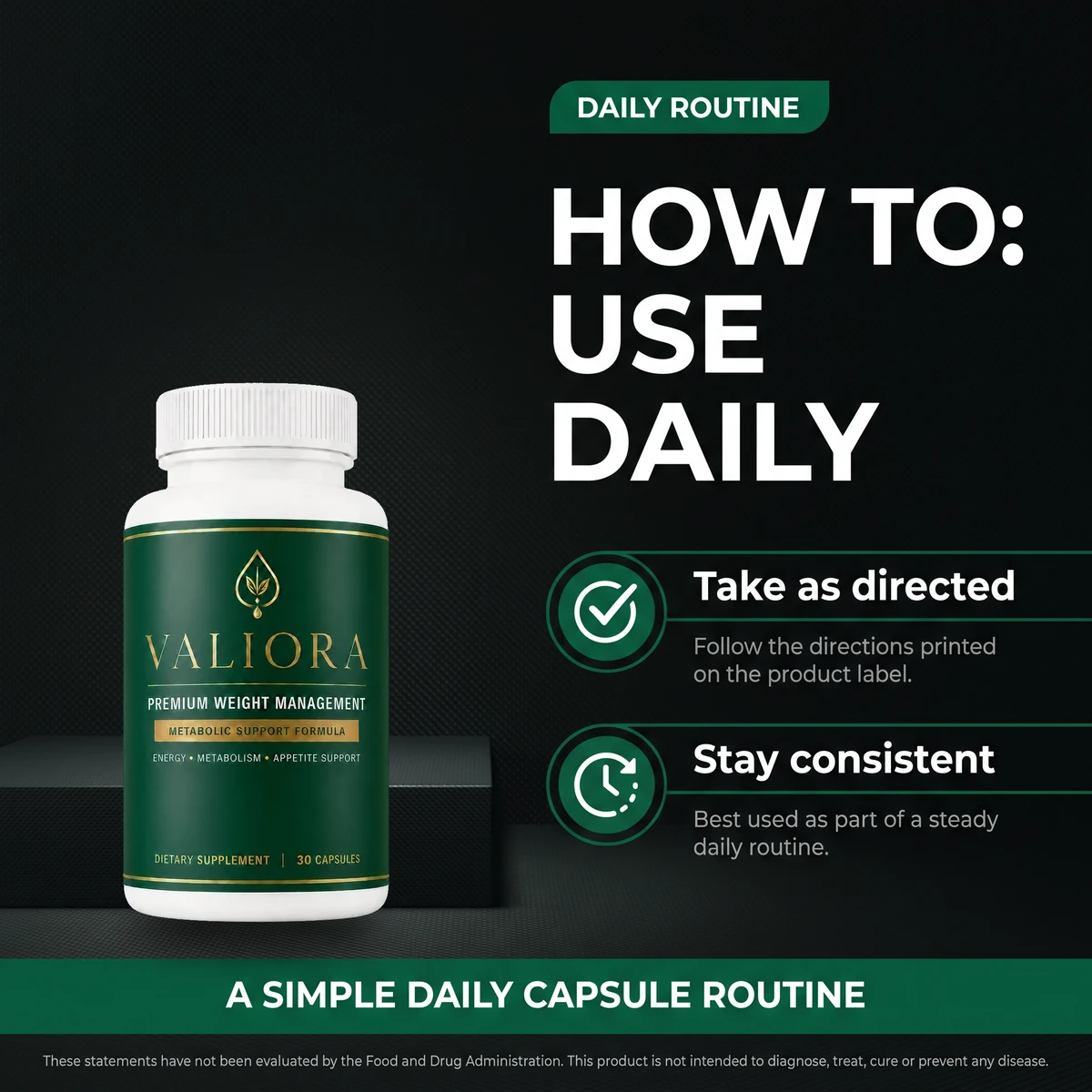
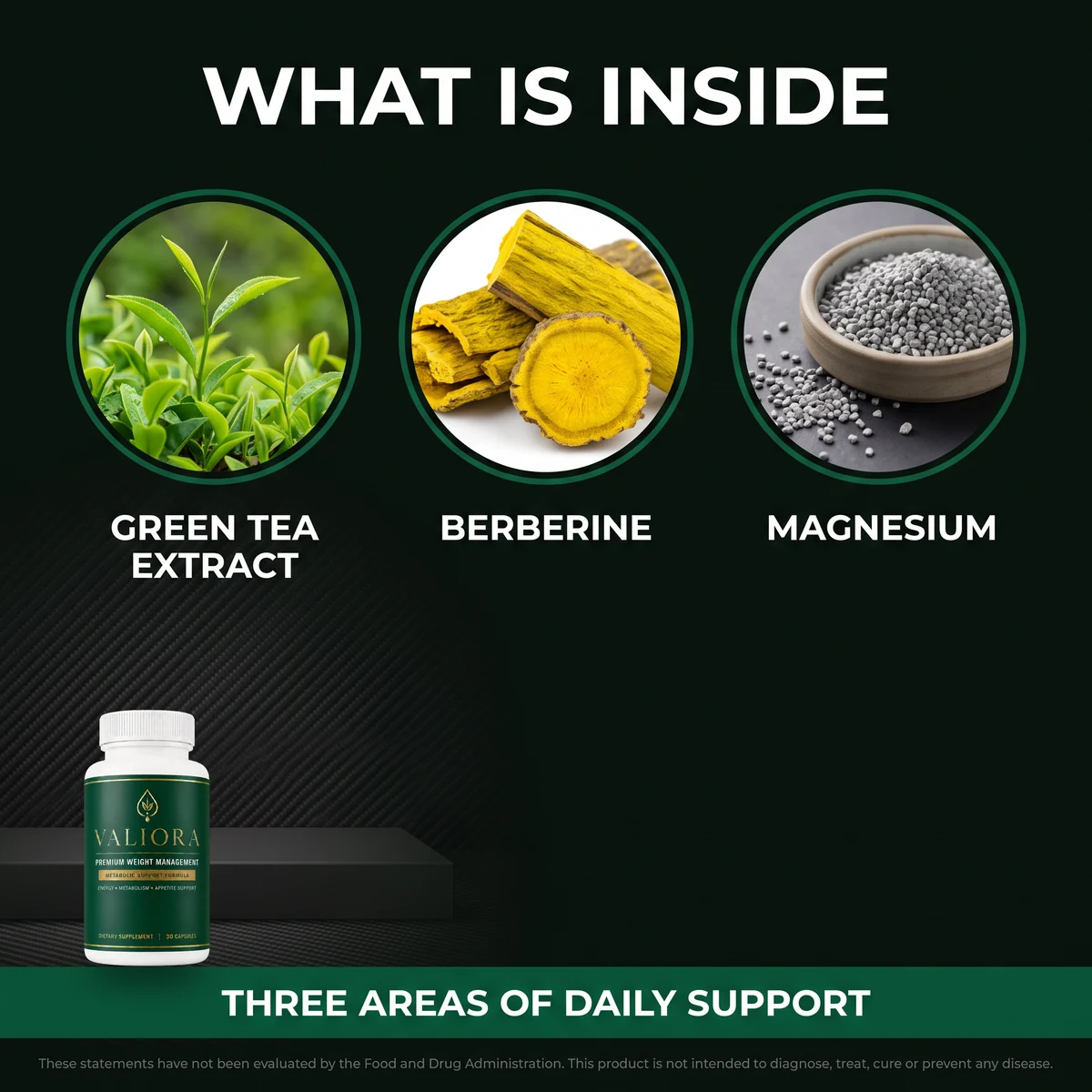
Valiora brings green tea extract, berberine, magnesium and other plant-based actives into one easy daily capsule — designed to complement steady meals, good hydration and everyday digestive comfort. Backed by a 60-day money-back guarantee.
 See Valiora Packages
Where a supplement fits in
Let’s be honest: everyday bloating is mostly solved by how and what you eat, not by a capsule. What a sensible daily supplement can do is support a steady, well-fed routine. Several plant-based ingredients are popular in metabolic and wellness formulas for their traditional use — green tea extract is rich in catechins associated with metabolism, berberine is widely used to support healthy blood-sugar balance, chromium supports normal macronutrient metabolism, and magnesium supports energy production and normal muscle function. A once-daily formula like Valiora makes that background support simple to keep up alongside the habits above.
The mindset that works: the supplement supports your effort; your habits are still the engine. For the wider picture on how a simple daily routine fits together, the Valiora homepage lays it out.
When to see a doctor
Everyday bloating tied to meals and habits is common and usually harmless. But some symptoms deserve professional attention. See a doctor if bloating is severe, persistent or painful, or if it comes with unexplained weight loss, a lasting change in bowel habits, blood, vomiting or difficulty eating. Trust your instincts — if something feels different or is not settling with the simple steps above, it is always worth getting checked. (Gastroenterology, 2023)
The takeaway: if you are always bloated, it is most likely gas and water responding to everyday habits, not fat you cannot shift. Slow down, hydrate, ease off salt and fizz, build fibre gradually, walk after meals and keep a steady rhythm — and most days you will feel lighter and more comfortable.
FAQ
Why am I always bloated?
Everyday bloating is usually gas and water, not fat. Common causes include eating too fast and swallowing air, a sudden jump in fibre, too much salt, fizzy drinks, constipation, and the natural fermentation of certain foods by gut bacteria. Stress and poor sleep also slow digestion and make bloating worse.
Is bloating the same as belly fat?
No. Bloating is a temporary swelling from gas or water that comes and goes through the day and often eases overnight. Belly fat is stored tissue that changes slowly over weeks and months. If your stomach looks flatter in the morning and fuller by evening, that is bloating, not fat.
How do I reduce bloating quickly?
Slow down when you eat, drink water, cut back on salt and fizzy drinks, take a gentle walk to get things moving, and give large fibre increases time to settle. Peppermint tea and a regular meal rhythm help many people. Persistent, painful or sudden bloating is worth discussing with a doctor.
When should I see a doctor about bloating?
See a doctor if bloating is severe, persistent, painful, or comes with weight loss, changes in bowel habits, blood, vomiting or difficulty eating. Everyday bloating tied to meals and habits is common and usually harmless, but new or worsening symptoms deserve professional advice.
Do supplements help with bloating?
No supplement cures bloating, and everyday bloating is best managed through eating habits, hydration and movement. Plant-based ingredients such as green tea extract, magnesium and berberine are traditionally linked to metabolism and normal digestion, and they work best alongside those habits rather than instead of them.
References
- Management of Chronic Abdominal Distension and Bloating (Clin Gastroenterol Hepatol, 2021)
- Efficacy of a low FODMAP diet in irritable bowel syndrome: systematic review and network meta-analysis (Gut, 2022)
- AGA Clinical Practice Update on Evaluation and Management of Belching, Abdominal Bloating, and Distention: Expert Review (Gastroenterology, 2023)
- Can dietary viscous fiber affect body weight independently of an energy-restrictive diet? A systematic review and meta-analysis of randomized controlled trials (Am J Clin Nutr, 2020)
- National Institutes of Health, Office of Dietary Supplements — ingredient fact sheets.
Every citation above was checked against its PubMed record on 3 September 2026. Research on an individual nutrient or habit is not evidence about any finished product.
† These statements have not been evaluated by the FDA. This product is not intended to diagnose, treat, cure or prevent any disease. This article is for general information only and is not medical advice. Affiliate disclosure: this is an independent guide, not the manufacturer. Some links here are affiliate links and we may earn a commission — at no extra cost to you — if you buy through them.